ADVERTISEMENT
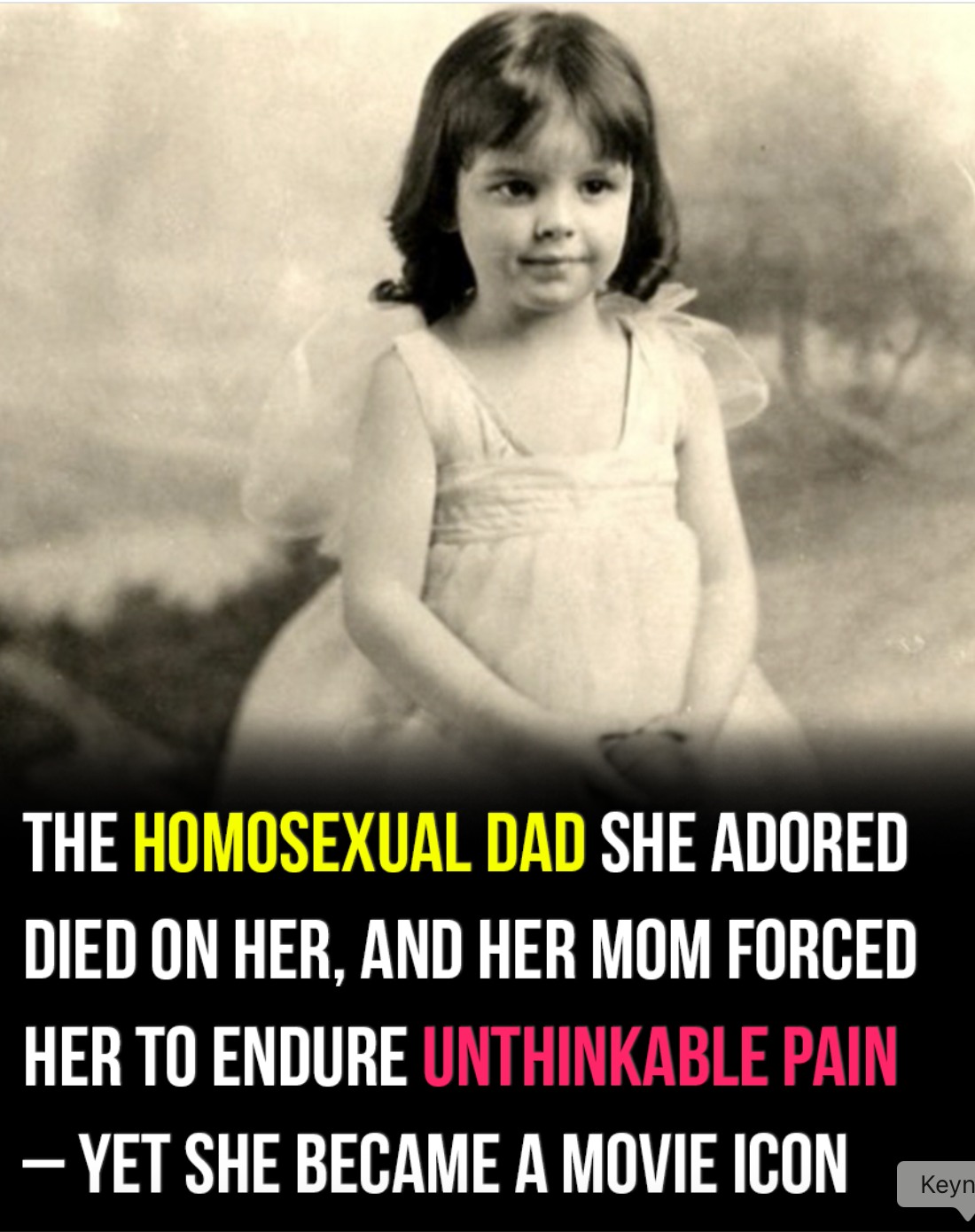
The golden age of Hollywood is often remembered through a nostalgic haze of cigarette smoke, technicolor dreams, and the seemingly effortless elegance of its stars. Yet, beneath the shimmering sequins and the meticulously painted smiles lay a machinery of industry that was as ruthless as it was profitable. No story illustrates the devastating cost of this glamour more profoundly than that of the little girl from Grand Rapids, Minnesota, who would become the world’s most luminous icon, only to be consumed by the very spotlight that immortalized her. Before she was a legend in ruby slippers, she was a child caught in a storm of adult ambition, parental neglect, and systemic exploitation—a girl named Frances Ethel Gumm, known to history as Judy Garland.
Judy’s entry into the world of performance was not a choice, but an inevitability. Born into a family of struggling vaudevillians, she was thrust onto a stage before her third birthday. While other children were learning to navigate playgrounds, she was learning to navigate the expectations of a live audience. However, the applause she received on stage was a sharp contrast to the instability of her home. Her father’s secret life and the resulting social whispers forced the family into a nomadic existence, eventually leading them to Lancaster, California. It was here that the duality of Judy’s life took root: she was a sensation in the spotlights of local nightclubs, yet she lived in the shadow of a volatile marriage marked by frequent separations and toxic reconciliations.
ADVERTISEMENT
