ADVERTISEMENT
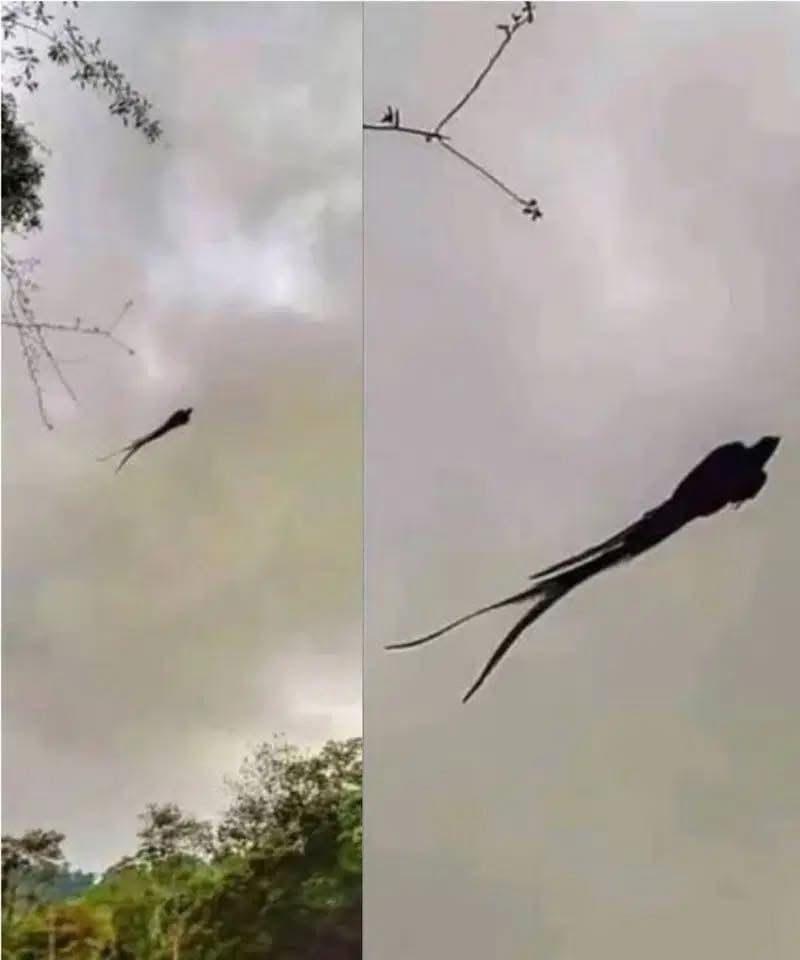
In the dense, mist-shrouded cloud forests of Southern Mexico and Central America, a living emerald ghost glides through the canopy, carrying with it the weight of ancient empires and the fervent hopes of modern conservationists. This is the Resplendent Quetzal, a bird so strikingly beautiful that it seems less a product of biological evolution and more a fragment of a dream made flesh. For millennia, this avian wonder has stood at the crossroads of heaven and earth, serving as a biological bridge between the mundane world of men and the ethereal realm of the gods. To witness a quetzal in the wild is not merely to see a bird; it is to observe a sacred relic of Mesoamerican history that continues to enchant the contemporary imagination with its iridescent plumage and hauntingly graceful presence.
The story of the quetzal is inextricably woven into the fabric of Mesoamerican mythology. For the Aztecs and the Maya, the bird was far more than a creature of the forest; it was a divine messenger. Its name is derived from the Nahuatl word quetzalli, meaning “precious” or “standing up,” referring to the magnificent tail feathers of the male. It was most closely associated with Quetzalcóatl, the Plumed Serpent, a deity who represented the union of earth and sky. The emerald-green feathers of the quetzal symbolized the growth of vegetation in the spring and the life-giving powers of the sun and rain. So revered was the bird that it was considered a capital offense to kill one. Instead, the Maya would capture the birds, carefully pluck a few of the long, shimmering tail coverts to use in ceremonial headdresses, and then release them back into the wild. This practice reflected a profound respect for the natural world—a belief that the beauty of the divine could be shared but never possessed or destroyed.
ADVERTISEMENT
