ADVERTISEMENT
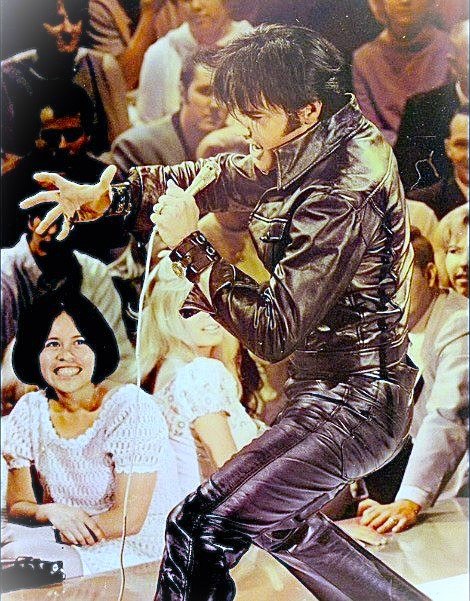
Netflix’s documentary Return of the King: The Fall & Rise of Elvis Presley offers a layered, intimate portrait of a cultural turning point—not just for Elvis Presley, but for the idea of artistic reinvention itself. At its center is the 1968 NBC Comeback Special, a moment now mythologized, yet born out of fear, frustration, and a deep uncertainty about whether one of the most famous performers on Earth could still matter in a rapidly changing world.
By the mid-1960s, Elvis was trapped in a career that looked successful on paper but felt hollow in practice. His Hollywood films made money, but they followed a rigid formula: lightweight plots, disposable songs, and little emotional or musical risk. One movie blurred into the next, and while audiences kept showing up, Elvis felt himself slipping further away from the raw, dangerous energy that had once made him revolutionary. The documentary makes it clear that this disconnect weighed heavily on him. Fame had not protected him from the creeping fear that he was becoming irrelevant.
The problem was that years of formulaic films had chipped away at his confidence. According to the documentary, Elvis worried that audiences no longer saw him as a serious artist. Priscilla Presley recalls how certain movies became punchlines among critics and fans, a reality that stung deeply. Offstage, Elvis wrestled with anxiety and stage fright, questioning whether the connection he once had with audiences was gone for good. This was not the insecurity of a newcomer, but the quieter, more dangerous doubt of someone who had already reached the top and feared he had nowhere left to go.
ADVERTISEMENT
