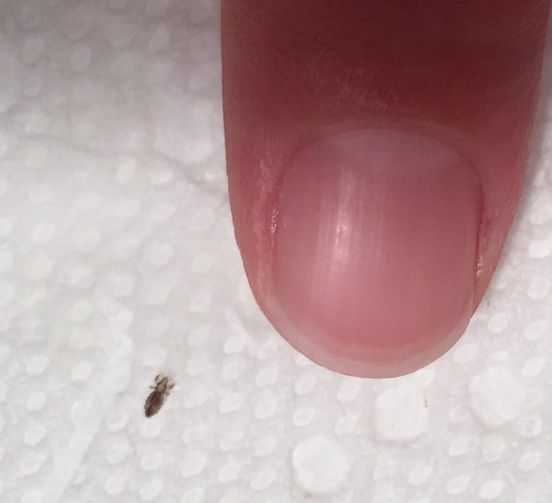
Discovering that a family member has head lice often triggers a wave of panic, but it is important to remember that these tiny intruders are a common hurdle of childhood rather than a reflection of personal hygiene. Most frequently seen in school or childcare environments where close proximity is unavoidable, head lice are a nuisance that can affect anyone, regardless of how often they wash their hair. By understanding the biology of these insects and adopting a systematic approach to removal, you can manage the situation with minimal stress and restore peace to your household.
Head lice are small, wingless insects that reside on the human scalp, surviving on minute amounts of blood. Their eggs, commonly referred to as nits, are the real challenge; they are encased in a glue-like substance that anchors them firmly to hair shafts near the scalp, where the body’s natural warmth aids their development. While lice do not carry or transmit diseases, their presence is often announced by persistent, intense itching caused by an allergic reaction to their bites. Because they cannot fly or jump, they rely entirely on crawling for transport. This means that while they spread rapidly through head-to-head contact or shared personal items like hats and brushes, they are remarkably fragile once they lose their human host, typically surviving less than 48 hours off the scalp.
The first line of defense in a successful removal strategy is the application of a specialized medicated shampoo or lotion designed to target live insects. It is crucial to adhere strictly to the manufacturer’s instructions, as the timing and quantity of the product are vital for effectiveness. However, even the most potent shampoos often fail to penetrate the protective shell of the nits. This is why “wet combing” is considered the gold standard for total eradication. After applying a conditioner or treatment to dampen the hair, use a specialized, fine-toothed metal nit comb to work through the hair in very small sections. Starting at the scalp and pulling the comb all the way through to the ends, you must wipe the comb on a white paper towel after every stroke to inspect for lice and eggs. This process requires a steady hand and significant patience, but it is the most reliable way to ensure no survivors remain.