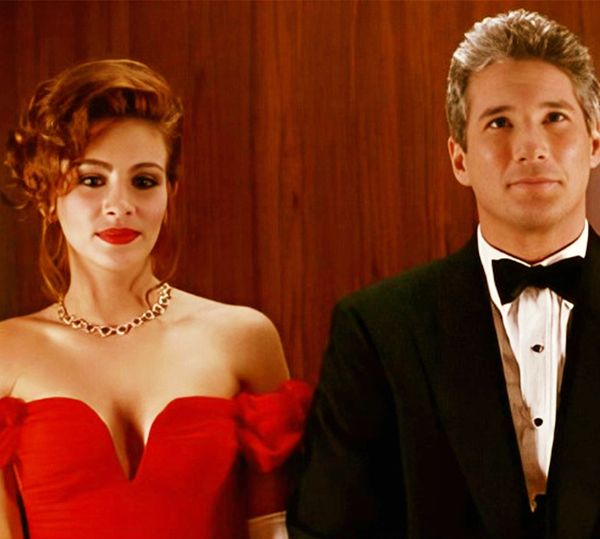
The 1990 classic Pretty Woman remains one of the most enduring pillars of the romantic comedy genre, a cinematic fairy tale that redefined the “Cinderella” trope for a modern, neon-lit Los Angeles. With its iconic red gown, the soaring notes of its soundtrack, and the undeniable chemistry between Richard Gere and Julia Roberts, the film has become a cultural touchstone. However, beneath the polished veneer of Rodeo Drive shopping sprees and high-stakes polo matches, the movie is a fascinating mosaic of contradictions, technical oversights, and a dark, abandoned history that nearly prevented it from becoming the lighthearted romance we celebrate today.
To understand why Pretty Woman feels so unique, one must look at the ghost of the film that was originally intended to be made. In its initial conception, the project was titled 3,000, a reference to the price Vivian Ward was to be paid for her week with Edward Lewis. Far from the Disney-backed fantasy it became, the original script by J.F. Lawton was a grim, gritty drama about the harsh realities of sex work and drug addiction in Hollywood. In that version, there was no rescue at the end, no white knight climbing a fire escape with roses. Vivian was a cocaine addict, and the story concluded with Edward callously throwing the money at her as she lay in the street, leaving her exactly where he found her.