ADVERTISEMENT
The tree also played a surprisingly sophisticated role in the hygiene and domestic chores of early American life. The bark and the pods contain significant concentrations of saponins—natural, plant-based compounds that act as surfactants. When agitated in water, these extracts produce a gentle, cleansing lather. In a time before the widespread availability of commercial lye soaps, which could be harsh on both skin and delicate fabrics, the honey locust provided a mild, botanical alternative. This “soap from the forest” allowed for the cleaning of wool and linens without the risk of damage, further cementing the tree’s status as a multipurpose domestic ally.
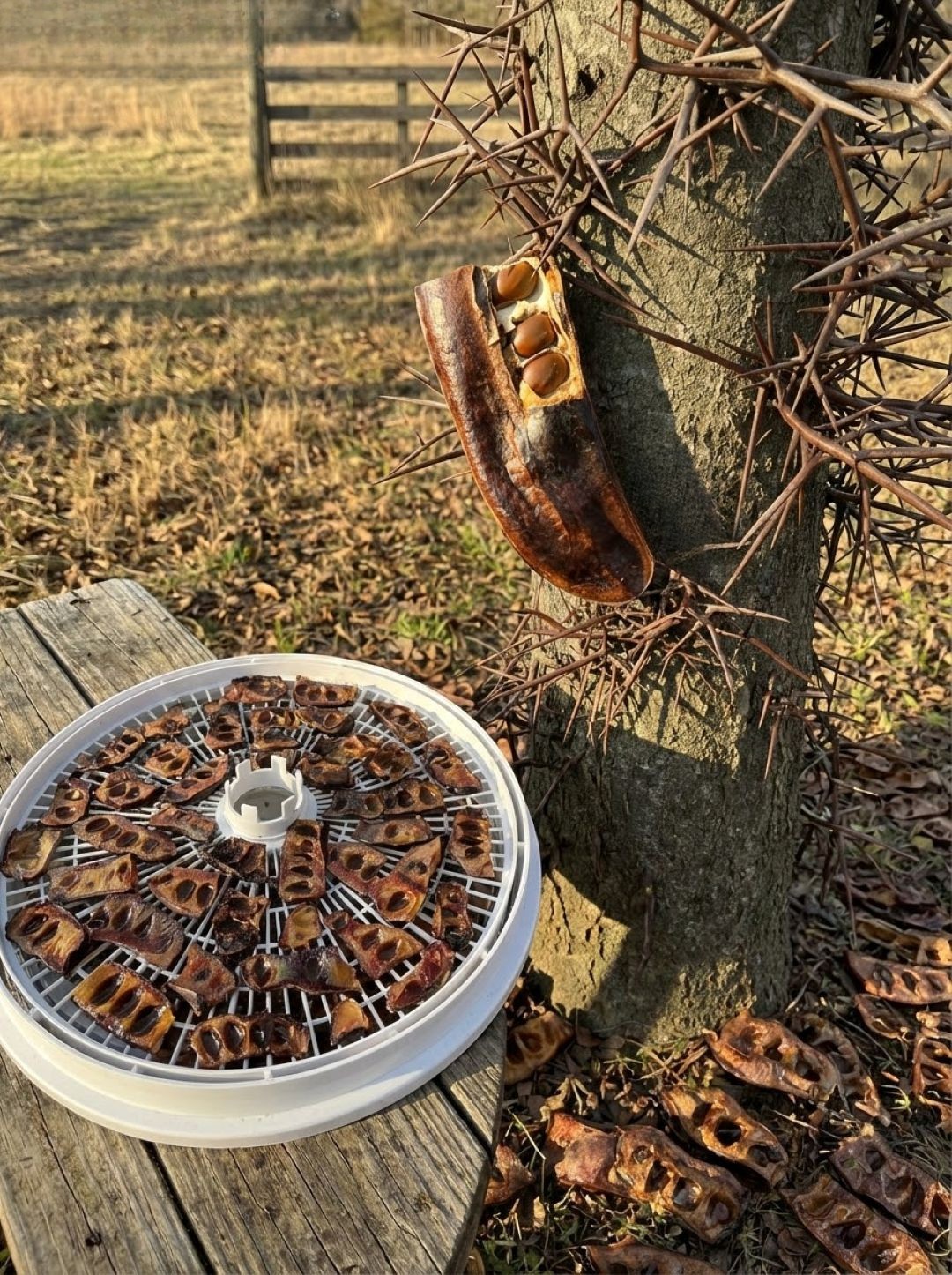
In its wild state, the honey locust possesses a formidable defense mechanism that speaks to its ancient origins: massive, branched thorns that can grow several inches long, protruding from the trunk and lower limbs in intimidating clusters. These thorns were likely an evolutionary response to the megafauna that once roamed the continent, such as the giant ground sloth, protecting the tree’s precious sweet pods from being over-browsed. While these thorns were a hazard to the unwary, they were also utilized by humans as natural needles, pins, or even primitive fishhooks. In modern times, arborists have developed “inermis” or thornless varieties for use in city parks and streets, but the wild, thorn-clad specimens remain a testament to the tree’s rugged and defensive nature.
ADVERTISEMENT
