ADVERTISEMENT
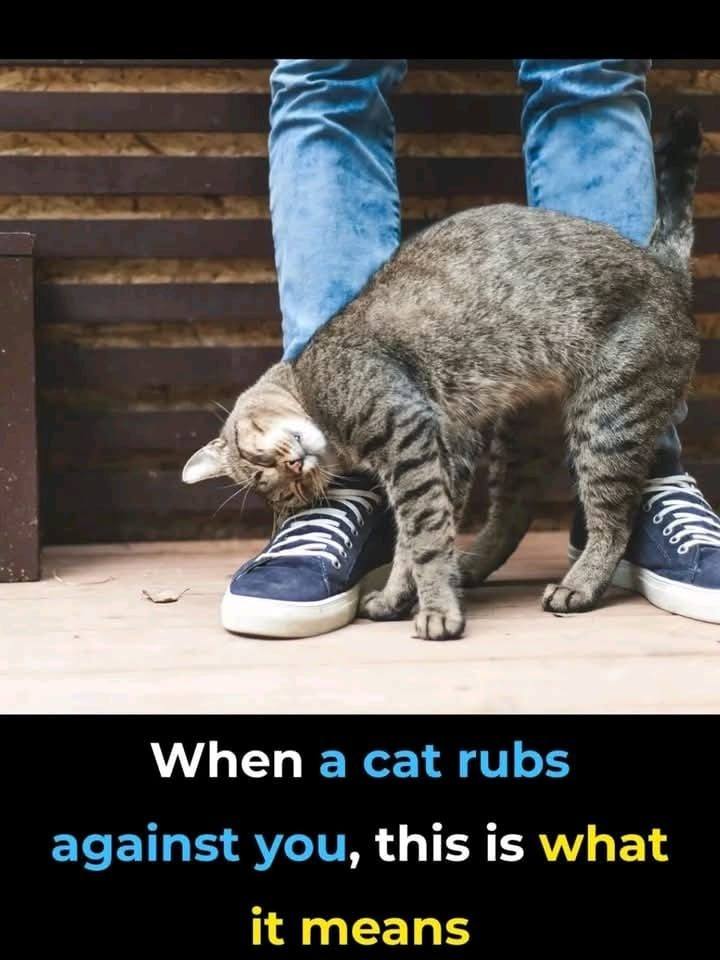
The moment you cross the threshold of your home, the greeting is almost instantaneous. Your cat emerges from the shadows, winding a fluid, serpentine path around your ankles. They might offer a firm head-butt against your palm or a rhythmic purr that vibrates through your skin like a tiny, well-tuned engine. Perhaps they choose a quieter moment, sidling up while you are distracted by chores to press their cheek firmly against your arm, leaving a lingering sensation of warmth. It is a gesture that feels deeply personal, sweet, and oddly grounding. While most pet owners recognize this as a sign of affection, the reality of feline “rubbing” is far more complex and fascinating than a simple greeting. In the world of feline behavior, that physical nudge is an intricate blend of sophisticated communication, territorial marking, and profound emotional trust.
To understand why your cat rubs against you, one must first understand the “sweet science” of feline scent marking. Cats are sensory-driven creatures that live in a world defined by olfactory maps. They possess a series of specialized scent glands located in key areas of their bodies: the cheeks, the chin, the forehead, the lips, and the base of the tail. These glands produce pheromones—chemical messengers that convey specific information about the cat’s identity, health, and emotional state. When your cat presses their face against your hand or weaves their body through your legs, they are engaging in a behavior known as “bunting.” This isn’t just a request for attention; it is a deliberate act of scent deposition.
ADVERTISEMENT
