ADVERTISEMENT
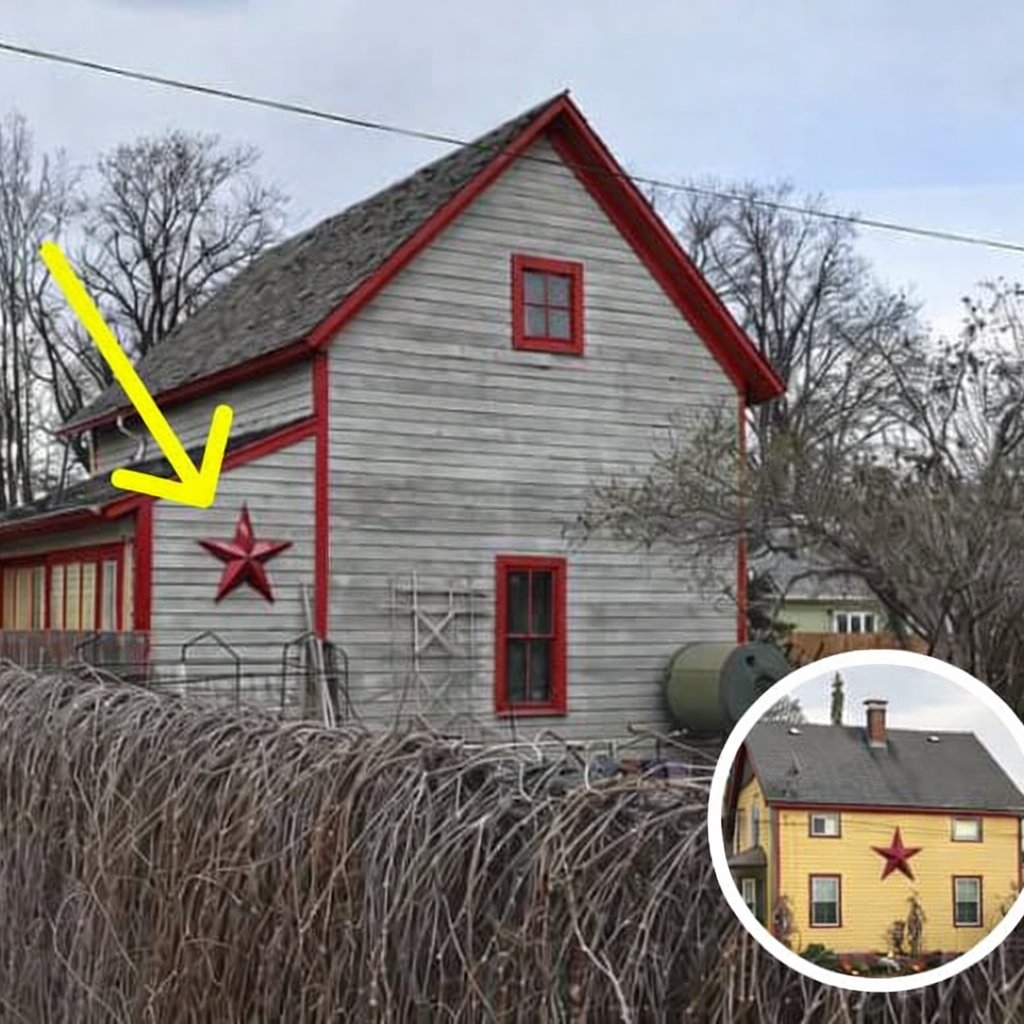
For a brief moment at the end of 2020, a strange rumor took on a life of its own online. Social media posts began circulating claims that homes displaying five-pointed stars were secretly advertising that the residents were “swingers.” The idea spread fast, fueled by screenshots, anecdotes, and the familiar confidence of posts that offer no proof but plenty of certainty. For some homeowners, the rumor was confusing. For others, it was unsettling. And for anyone familiar with the symbol’s real history, it was simply wrong.
The claim didn’t originate from any credible source, study, or documented cultural practice. Investigations quickly traced it back to a long-forgotten message board post from 2007, where speculation had been presented as fact. Over time, the claim resurfaced, stripped of context, and repackaged for viral consumption. By December 2020, it had reached a much larger audience, many of whom had never encountered the symbol before and were primed to believe there was something hidden behind it.
The stars in question are commonly referred to as barn stars or Amish barn stars. They are traditional decorative elements that have been part of rural American architecture for generations, particularly in areas associated with the Pennsylvania Dutch. Despite the name, the Pennsylvania Dutch are not Dutch in the modern sense; the term comes from “Deutsch,” referring to their German roots. These communities trace their heritage primarily to southern Germany and brought their customs, craftsmanship, and symbolism with them when they settled in the United States.
Barn stars were most often mounted on barns, homes, and outbuildings, especially throughout Pennsylvania and surrounding regions. Over time, they became a recognizable feature of the rural landscape. Their purpose was never secretive. They were meant to be seen.
ADVERTISEMENT
