ADVERTISEMENT
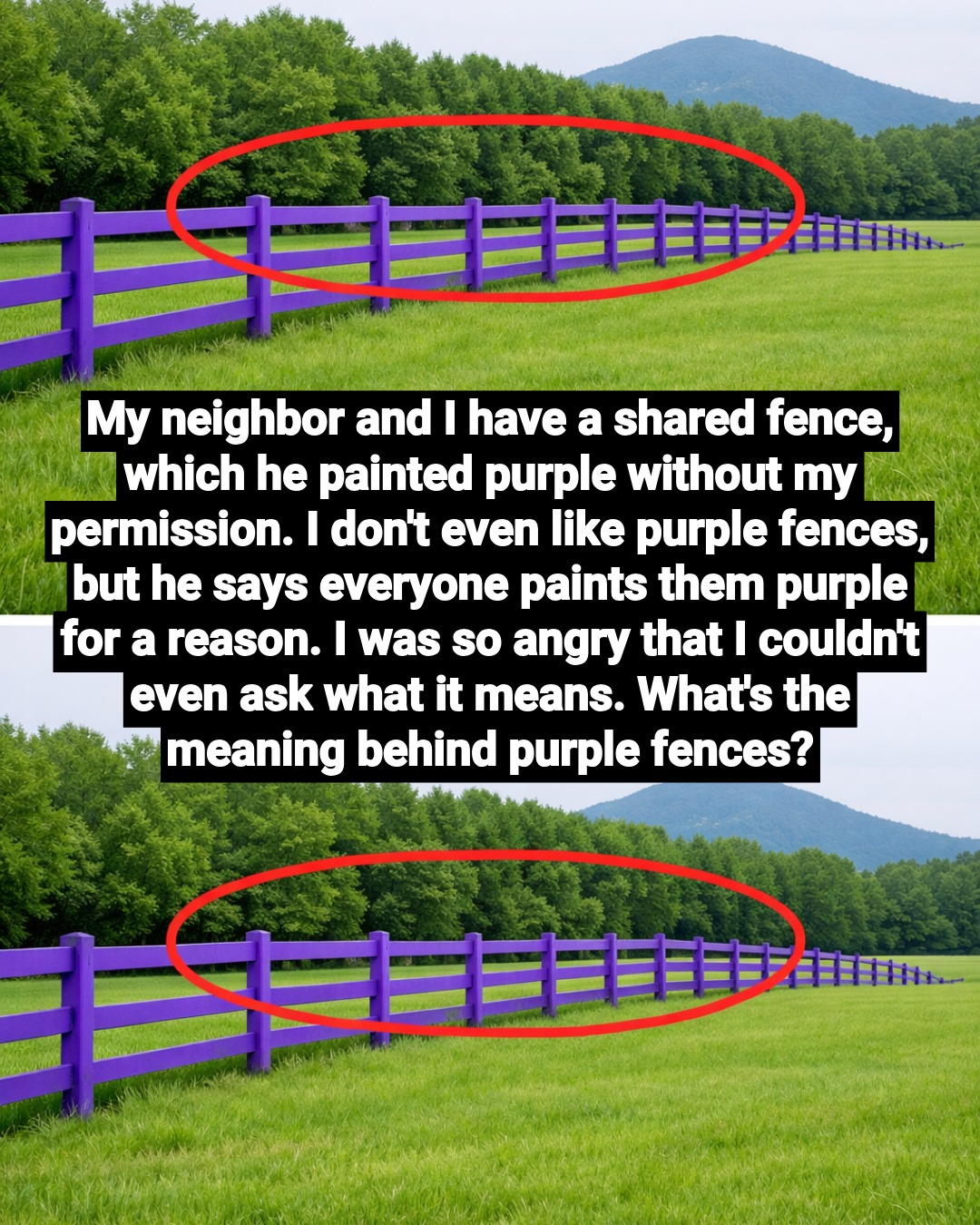
You might wonder why purple was chosen over more traditional “warning” colors like neon orange or fire-engine red. The decision was rooted in the science of visibility and the practicalities of the outdoors. In many states, orange is already heavily utilized by the forestry and construction industries to mark trees for removal or to indicate the path of underground utility lines. Using orange for property lines would have created a dangerous ambiguity. Purple, by contrast, is a color rarely found in high concentrations in the natural world. It stands out sharply against the verdant greens of a summer forest, the golden browns of autumn leaves, and the stark white of a snow-covered field. Crucially, it is also one of the few colors that remains highly visible to individuals with red-green color blindness, ensuring that the warning is accessible to the broadest possible audience.
However, the effectiveness of a purple marker is not just in the color, but in the precision of its application. In the states that have adopted these laws, there is a specific geometry to the warning. It is not enough to simply slap a few messy splotches of paint onto a post; to be legally binding and clearly communicative, the marking must follow a set of standardized rules. First, the marks must be vertical stripes. This helps distinguish an intentional property marker from random graffiti or the natural discoloration of the wood. Each stripe must be significant in size—typically at least one inch wide and eight inches long—to ensure it can be spotted from a distance.
While the “Purple Paint Law” is gaining traction, it is important to note that its legal status is not yet universal. The movement began in states like Arkansas and Texas, where vast tracts of hunting land and ranches made traditional signage nearly impossible to manage. Since then, over a dozen states—including Missouri, Illinois, Indiana, and North Carolina—have adopted similar statutes. In these regions, a purple stripe carries the same legal weight as a physical sign or even a verbal warning from the landowner. Crossing a purple line in these states can lead to charges of criminal trespassing, regardless of whether a “Keep Out” sign was present. However, in states that have not yet codified this practice, the paint serves only as an informal request for privacy. For travelers and outdoorsmen, the safest rule of thumb is to treat every purple mark as a legal barrier; the lack of a specific law in your area does not change the fact that a landowner is clearly signaling their desire for privacy.
ADVERTISEMENT
