ADVERTISEMENT
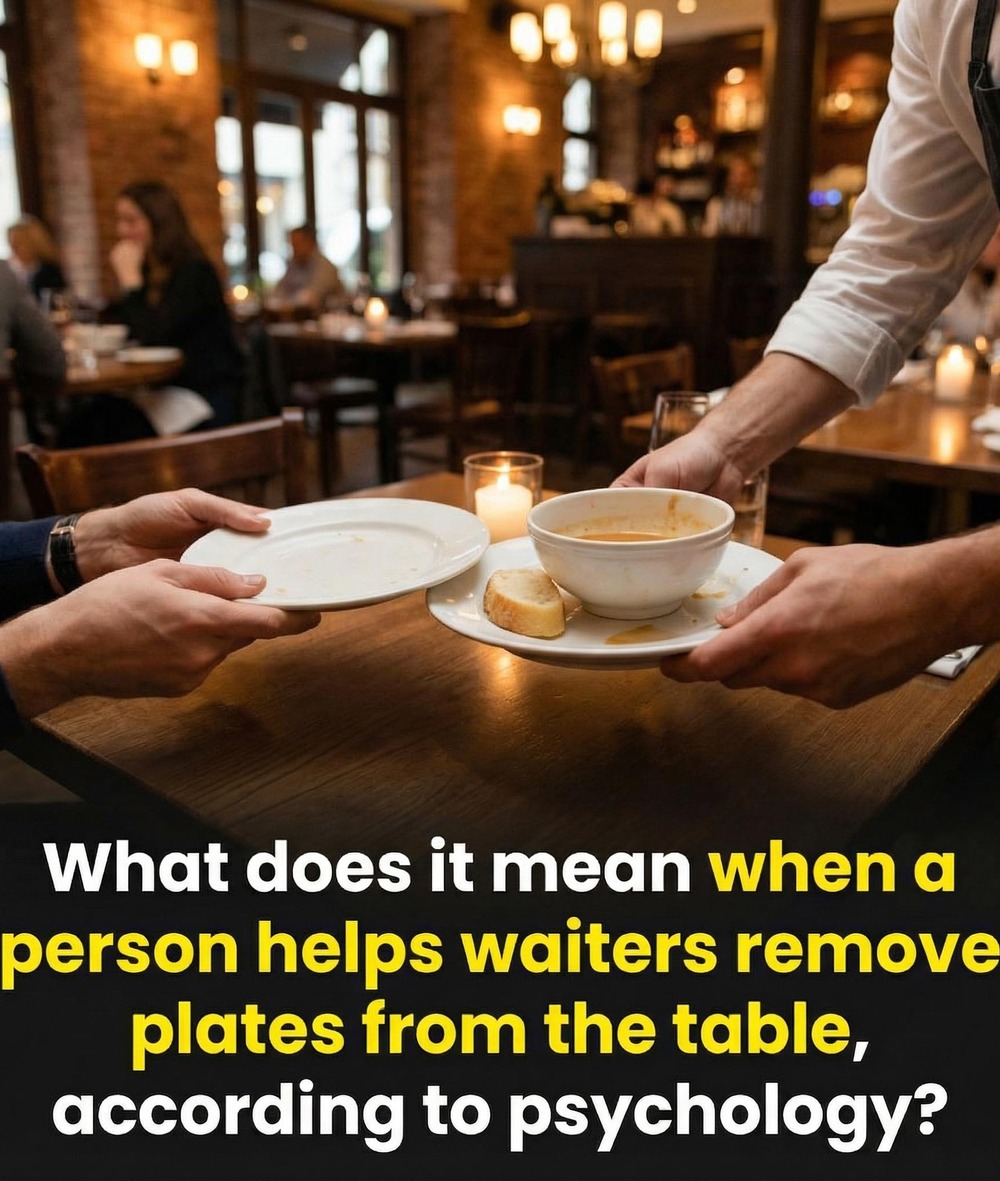
In a busy restaurant, most moments blur together. Plates arrive, glasses clink, conversations overlap, and servers weave through tight spaces with practiced urgency. Yet every so often, something small cuts through the noise: a diner quietly stacking plates, sliding an empty glass toward the edge of the table, or lifting a dish to make a server’s job easier. It’s an ordinary gesture, barely noticeable, but it often reveals far more than it seems.
Helping a waiter is not about efficiency. The server is trained to do the job and rarely needs assistance. What makes the gesture meaningful is that it is voluntary. In an environment where customers are culturally conditioned to sit back and be served, choosing to help signals a mindset that goes beyond the transaction. It reflects awareness—an understanding that the person across the table is not an invisible function, but a human being managing time, weight, pressure, and expectations all at once.
Empathy, in this context, is not abstract compassion. It’s practical. Many people who help servers have direct or indirect experience with service work. They remember sore feet at the end of a shift, the pressure of staying polite under constant demand, or the mental load of tracking multiple tables at once. Even those who have never worked in restaurants may possess a strong capacity to imagine physical and emotional strain. That ability—to mentally step into another person’s workload—is a core element of social intelligence.
ADVERTISEMENT
