ADVERTISEMENT
The most sobering warning regarding these foods comes from the World Health Organization’s International Agency for Research on Cancer (IARC). After an exhaustive review of more than 800 epidemiological studies, the IARC officially classified processed meat as a Group 1 carcinogen. This is the same classification shared by tobacco and asbestos, a fact that often sparks headlines of alarm. However, it is essential to understand that this classification refers to the strength of the evidence—proving that processed meat does cause cancer—rather than suggesting that eating a hot dog is as dangerous as smoking a pack of cigarettes. The primary concern is colorectal cancer. The biological mechanism behind this link is believed to be the formation of N-nitroso compounds (NOCs) in the gut. When the nitrates and nitrites used for curing meet the amines found in meat—particularly in the presence of heme iron—they create carcinogenic substances that damage the lining of the colon.
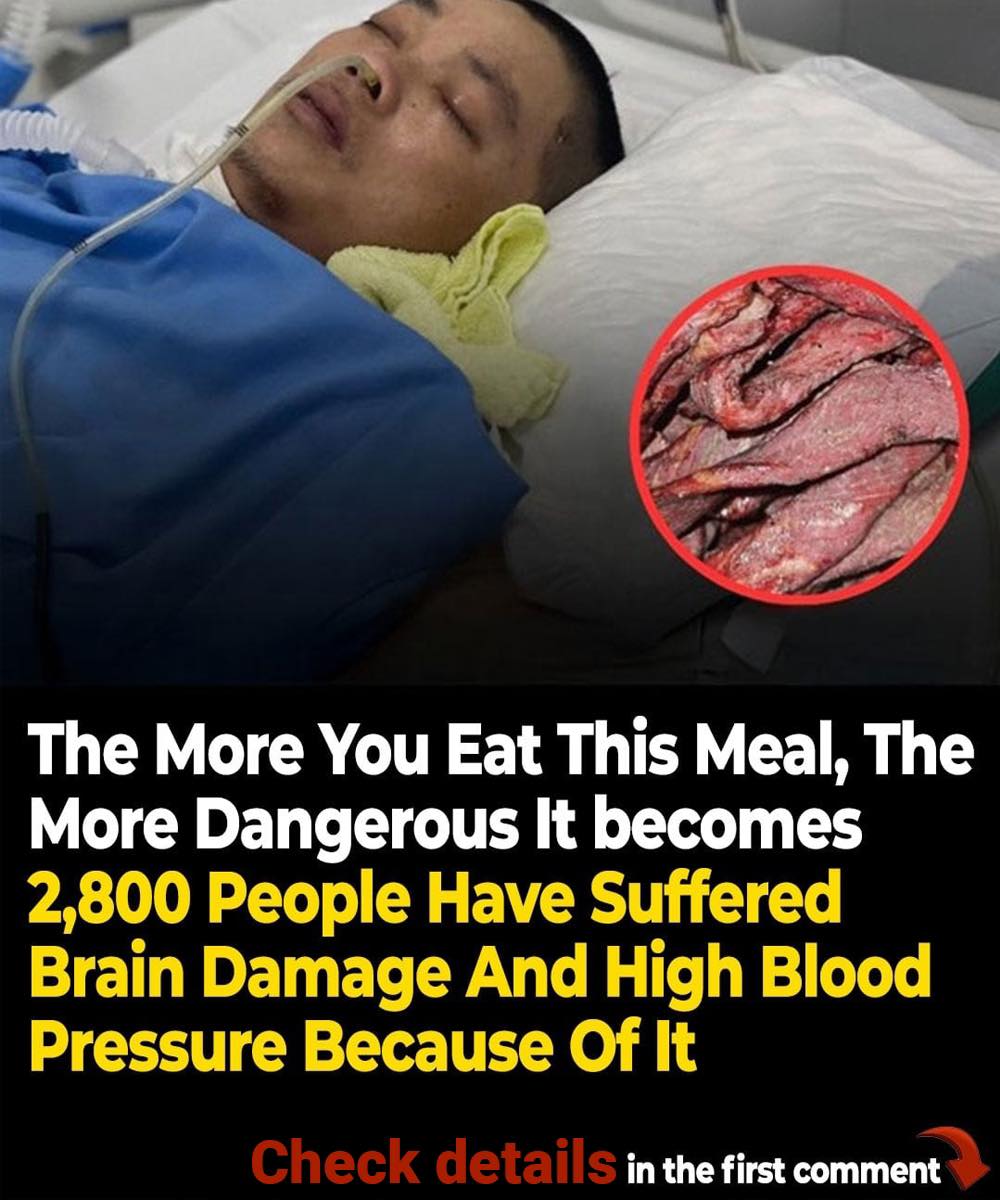
Beyond the oncological risks, processed meat acts as a silent driver of cardiovascular strain, primarily through its staggering sodium content. For the average consumer, more than 70% of daily sodium intake comes not from the salt shaker on the table, but from packaged and prepared foods. Processed meats are among the worst offenders; the salt is embedded deep within the muscle fibers for preservation. This hidden sodium load leads to fluid retention and increased pressure on arterial walls. Over time, chronic high sodium intake results in hypertension, which stiffens the arteries and forces the heart to work harder. The Centers for Disease Control and Prevention (CDC) has repeatedly emphasized that this cumulative vascular damage is a primary precursor to stroke and heart failure. In fact, long-term studies have shown that the risk of atherosclerotic cardiovascular disease increases by roughly 22% for every single daily serving of processed meat consumed.
As we look toward the future of preventative medicine, emerging research is beginning to signal a connection between processed meat and cognitive decline. At the 2024 Alzheimer’s Association International Conference, data from cohorts followed for over 40 years suggested that consuming just two servings of processed red meat per week was associated with a 14% higher risk of dementia. While the exact pathways are still being mapped, scientists suspect that the same systemic inflammation and vascular damage that harm the heart also take a toll on the delicate neural pathways of the brain. The high levels of saturated fat and preservatives may accelerate the accumulation of plaques or contribute to “micro-strokes” that eventually lead to cognitive impairment.
ADVERTISEMENT
