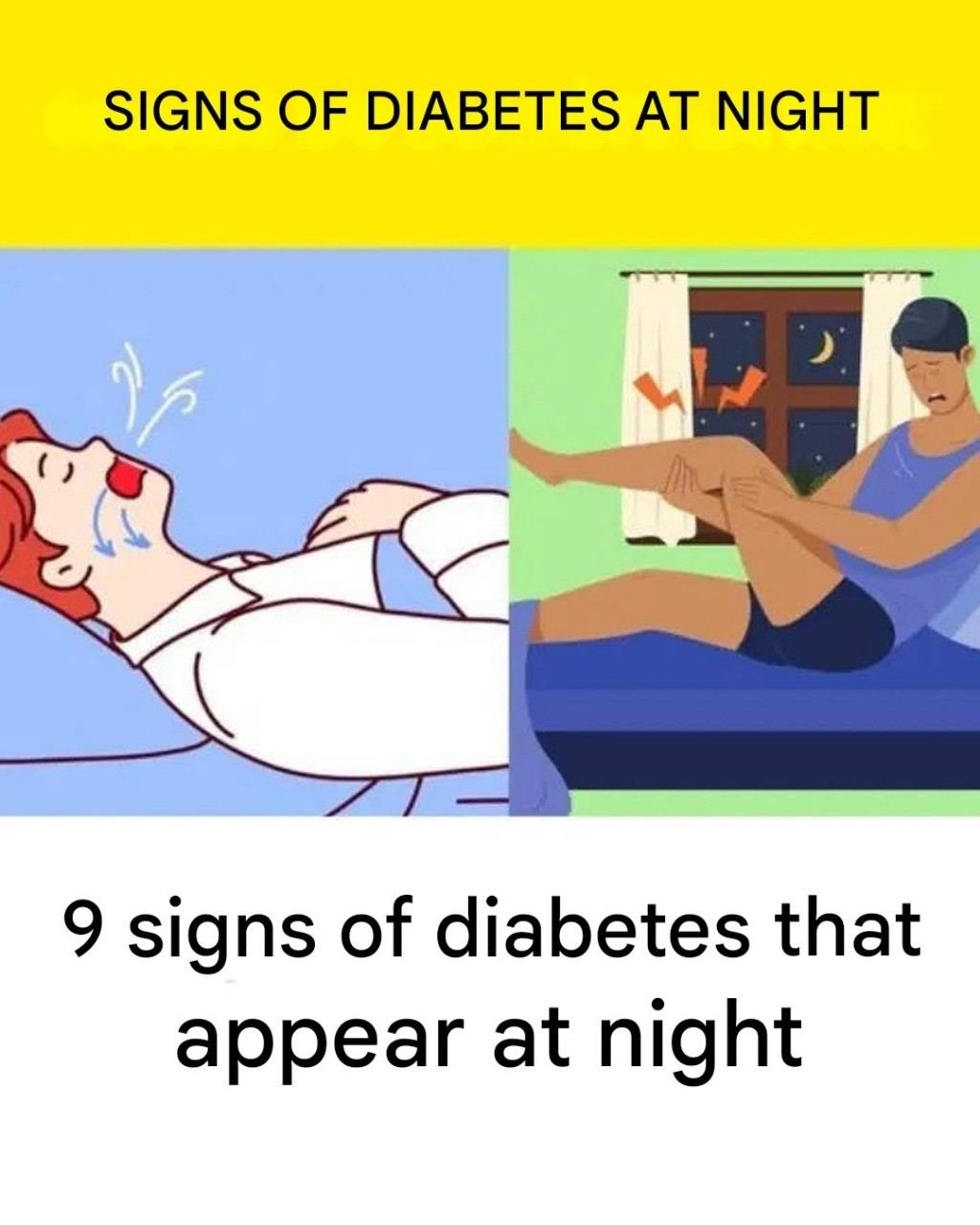
1. The Interrupted Rest: Nocturia
One of the most pervasive “early alerts” for diabetes is nocturia, the medical term for frequent nighttime urination. Many people dismiss waking up two or more times a night to use the bathroom as an inevitable byproduct of aging or perhaps just “a small bladder.” However, the biological reality is often more complex. When blood glucose levels are elevated, the kidneys must work overtime to filter and absorb the excess sugar. When they reach their limit, the body is forced to pull fluids from your tissues to flush the sugar out, creating an overabundance of urine. If your sleep is consistently broken by the need to relieve your bladder, it is rarely a sign of age; it is a sign that your kidneys are struggling to manage your internal chemistry.
2. The Relentless Thirst: Nighttime Polydipsia
Closely linked to the cycle of urination is polydipsia, or excessive thirst. If you find yourself drinking several glasses of water before bed and still waking up in the middle of the night with a mouth that feels like parchment, your body is in a state of dehydration-induced panic. This isn’t typical thirst; it is a survival mechanism. As the body flushes sugar and water through the kidneys, it leaves the rest of your system desperate for hydration. This cycle of “drink, pee, repeat” is one of the clearest clinical indicators that your blood sugar is poorly regulated.
3. The Sudden Chill: Night Sweats and Hypoglycemia
While high blood sugar causes urination and thirst, dramatic drops in blood sugar—nocturnal hypoglycemia—trigger a different response. If you wake up drenched in a cold, clammy sweat that is unrelated to the room temperature or menopause, it may be an adrenaline surge. When glucose levels fall too low during the night, the body perceives it as a life-threatening emergency and releases stress hormones like adrenaline to force the liver to release stored sugar. These hormonal spikes cause the heart to race and the sweat glands to overreact, leaving you shivering in damp sheets.
4. Fragmented Sleep and the Stress Response
Blood sugar instability acts as a direct saboteur of “sleep architecture,” the natural stages of deep and REM sleep. High glucose levels are inherently pro-inflammatory, which can keep the nervous system in a state of high alert. Conversely, low glucose triggers a “fight or flight” response. This metabolic see-saw prevents the brain from entering the restorative phases of sleep, leading to a night spent tossing, turning, and waking up frequently for no discernible reason. If you wake up feeling as though you haven’t slept at all, the culprit may be your glucose levels rather than your mattress.
5. The Morning Fog: Persistent Headaches
Waking up with a dull, throbbing headache that lingers through breakfast is a common symptom of both high and low blood sugar fluctuations overnight. These shifts alter the fluid balance in the brain and can cause small changes in the diameter of blood vessels. Known as “glucose headaches,” these pains serve as a somber greeting to a day that has been preceded by an invisible metabolic battle during the night.
6. The Nighttime Itch: Dehydrated Integument
High blood sugar acts as a desiccant, pulling moisture away from the skin and toward the internal organs. This systemic dehydration, combined with the potential for poor circulation, often results in dry, itchy skin that becomes particularly maddening at night. This itchiness, often concentrated on the lower legs and feet, is frequently exacerbated by the warmth of blankets. If lotions provide no relief, the problem is likely occurring beneath the surface of the skin, where high glucose levels are irritating the nerve endings.
7. The Silent Scream: Leg Cramps and Restless Legs
There is a profound connection between diabetes and the peripheral nervous system. Electrolyte imbalances caused by frequent urination, combined with early-stage nerve irritation (neuropathy), can cause sharp, painful muscle cramps in the calves or a crawling, “antsy” sensation in the legs known as Restless Legs Syndrome. These sensations are often at their peak during the quiet hours of the night, making it nearly impossible to find a comfortable position.
8. The Blurred Awakening: Temporary Vision Shifts
If your vision is fuzzy or out of focus the moment you open your eyes, but seems to clear up after you’ve been awake for an hour or two, you are likely experiencing the “osmotic shift.” Fluctuating blood sugar can cause the lens of the eye to swell as it absorbs excess fluid from the blood. This change in the shape of the lens alters your focus. While the effect is temporary, the underlying cause is a red flag for the long-term health of your retinas.
9. Nocturnal Hunger and Unexplained Weight Loss
In advanced Type 2 or early Type 1 diabetes, the body’s cells become so resistant to insulin—or so deficient in it—that they can no longer absorb glucose for fuel. The body, essentially starving despite the high sugar in the blood, begins to burn fat and muscle tissue for energy. This leads to unexplained weight loss and a gnawing, ravenous hunger that can wake you from a deep sleep, desperate for a midnight meal.
The importance of these nighttime signs cannot be overstated. Because the body is at rest and the variables of a busy life are removed, these disruptions are often the purest data points we have regarding our metabolic health. If you recognize a pattern of these symptoms over a period of two weeks, it is essential to move beyond self-observation and seek clinical verification. Tests such as the HbA1c, which measures your average blood sugar over three months, can provide a definitive look at what is happening while you sleep.