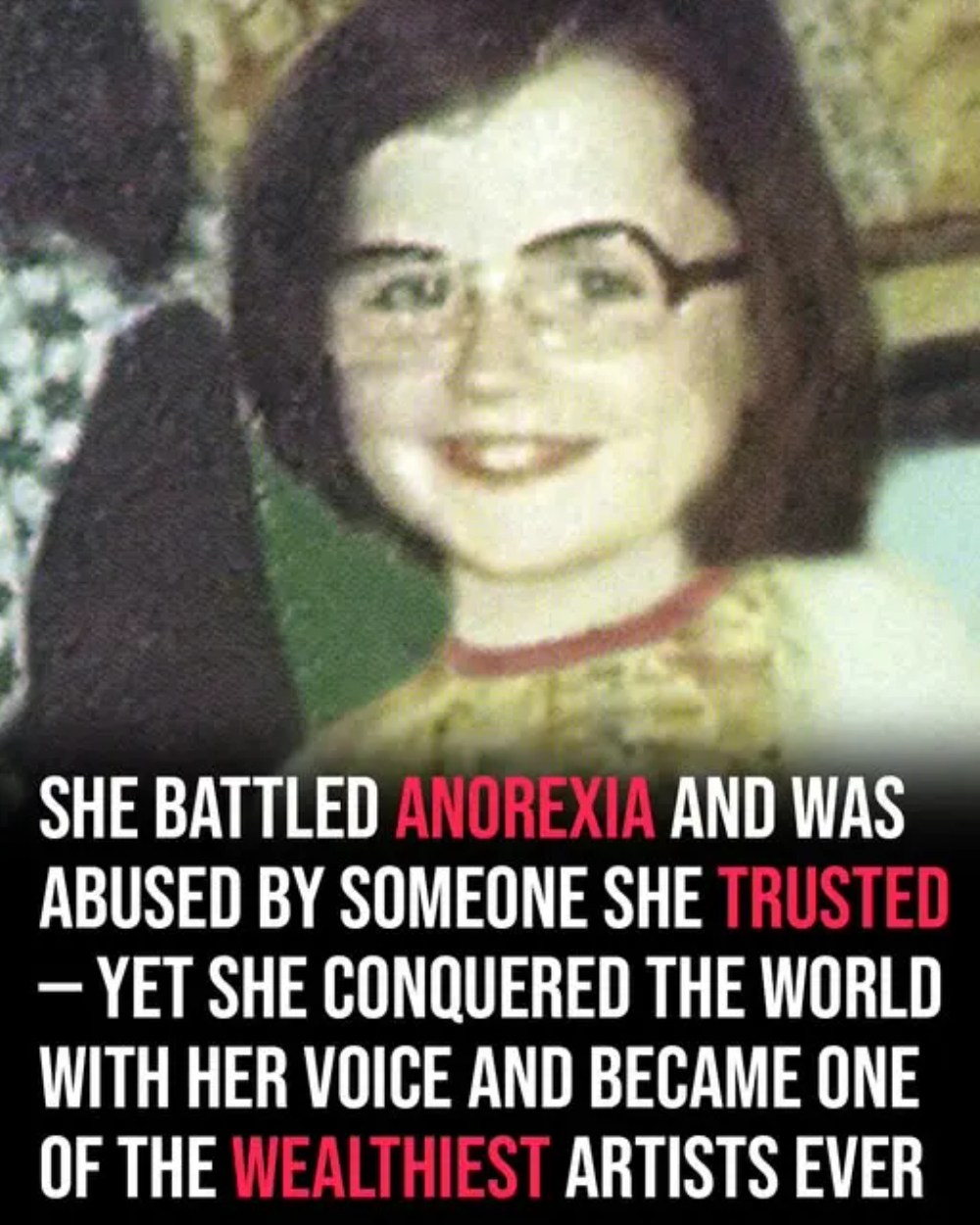
The legacy of Dolores O’Riordan is one of the most poignant narratives in the history of modern rock. To many, she was the ethereal, yodeling voice of a generation, the frontwoman of The Cranberries who could pivot from the delicate vulnerability of “Linger” to the guttural, political rage of “Zombie.” But behind the shimmering guitars and the global superstardom lay a woman who was constantly negotiating a truce with her own history. Her life was a study in contrasts: she was a small-town girl from rural Ireland who conquered the world stage, an artist who achieved immense wealth but struggled with profound self-loathing, and a mother who found her greatest healing in her children while battling the ghosts of a fractured childhood.
Born on September 6, 1971, in Ballybricken, County Limerick, Dolores was the youngest of nine children in a devoutly Catholic household. Her upbringing was steeped in the mysticism of the Irish countryside, a landscape she described as “sheltered, pure, and trippy.” Because her family was large and resources were modest—her father had suffered brain damage in a motorbike accident years before her birth—Dolores found companionship in nature. She famously remarked that she confided in birds, cows, and her dog, treating the animals of Limerick as her first confessors and therapists. This isolation fostered a unique internal world, one that allowed her talent to bloom early. By the age of five, her school principal was already placing her on desks to perform for older students, recognizing that the tiny girl possessed a voice that sounded as though it had been forged in the ancient hills of Ireland.
However, the “pure” nature of her childhood was shattered by a trauma she would keep secret for decades. From the age of eight to twelve, Dolores was molested by someone she trusted. This betrayal of innocence became the silent engine behind much of her later art and her subsequent struggles with anorexia and depression. She would eventually admit that her “anti-girlie” phase and the aggressive, short-cropped hair she became famous for were subconscious attempts to distance herself from the femininity that had been targeted. As she grew into a teenager, her life was a rigid cycle of piano lessons, church, and homework, a discipline that provided structure but couldn’t quiet the internal turmoil.
The world changed for Dolores in 1990 when she auditioned for a band called The Cranberry Saw Us. The band members were immediately awestruck. Here was a girl who appeared fragile and shy—sometimes performing with her back to the audience—but possessed a vocal power that was nothing short of miraculous. Rebranding as The Cranberries, the group released their debut album, “Everybody Else Is Doing It, So Why Can’t We?” in 1993. It was a staggering success. By the mid-1990s, Dolores had become the highest-paid female rock star in the UK and one of the wealthiest women in Ireland. She wasn’t just a singer; she was a cultural icon whose Celtic-inflected vocals defined the alternative rock era.
Yet, wealth and fame proved to be poor shields against mental health struggles. As the band’s fame peaked, Dolores battled severe anorexia and suicidal ideation. The pressure of being the “face” of a multimillion-dollar entity meant she was never allowed to slip up, a demand that is impossible for any young adult, let alone one carrying the weight of childhood abuse. She sought a sense of normalcy in her marriage to Don Burton, the tour manager for Duran Duran, in 1994. They moved to Canada, and for a time, Dolores found the sanctuary she had always craved. She became a mother to three children, whom she credited as the “elemental” force in her healing. For her children, she tried to stay whole, fighting back the flashbacks of her own trauma that were triggered by watching her daughters grow up.
The complexities of her life were mirrored in her music. Dolores was never content to write simple love songs. She pushed the band toward political relevance, most famously with “Zombie,” a song inspired by the tragic deaths of two children in an IRA bombing. She was so committed to the message of the song that she reportedly tore up a million-dollar check from her label when they tried to pressure her into releasing something more commercial. This fierce integrity was her hallmark; she was a fragile person with an iron will, an artist who refused to compromise her voice for the sake of the industry.
The later years of her life were marked by a series of devastating blows. The death of her beloved father, Terence, in 2011 deeply affected her. At his funeral, she was forced to confront the person who had abused her as a child, an encounter that sent shockwaves through her fragile mental state. In 2014, her twenty-year marriage to Burton ended, and her subsequent arrest following an air-rage incident made headlines worldwide. It was during this period that her family revealed she was struggling with bipolar disorder. Dolores spoke candidly about her diagnosis and her battle with alcohol, admitting that she often hit the bottle to drown out memories she couldn’t control. She described her “tortoise effect”—a defensive mechanism where she would tuck herself away from the world when the pain became too much to bear.
Despite her personal chaos, her creative spark remained. She reunited with The Cranberries, produced new music, and was making extensive plans for the future. On the night before her death in January 2018, she left upbeat voicemails for colleagues, speaking of her children and singing snatches of songs. She seemed to be in a “good space,” which made the eventual news of her passing even more shocking. At the age of 46, Dolores was found dead in a London hotel room. The coroner determined that she had accidentally drowned in her bathtub due to alcohol intoxication. It was a tragic, quiet end for a woman who had spent her life making so much beautiful noise.
Dolores O’Riordan’s story is a reminder that brilliant art often comes at a staggering personal cost. She conquered the world with a voice that was both a whisper and a scream, articulating the pain and dreams of millions while navigating her own labyrinth of trauma. She proved that a girl from Limerick could become a global titan through sheer honesty and raw talent. Today, she is remembered not just for the millions of albums sold or the wealth she accumulated, but for the courage it took to keep singing when the world felt like it was falling apart. She left a mark that ensures her name will be spoken for generations, a haunting, melodic echo that continues to linger long after the music has stopped.