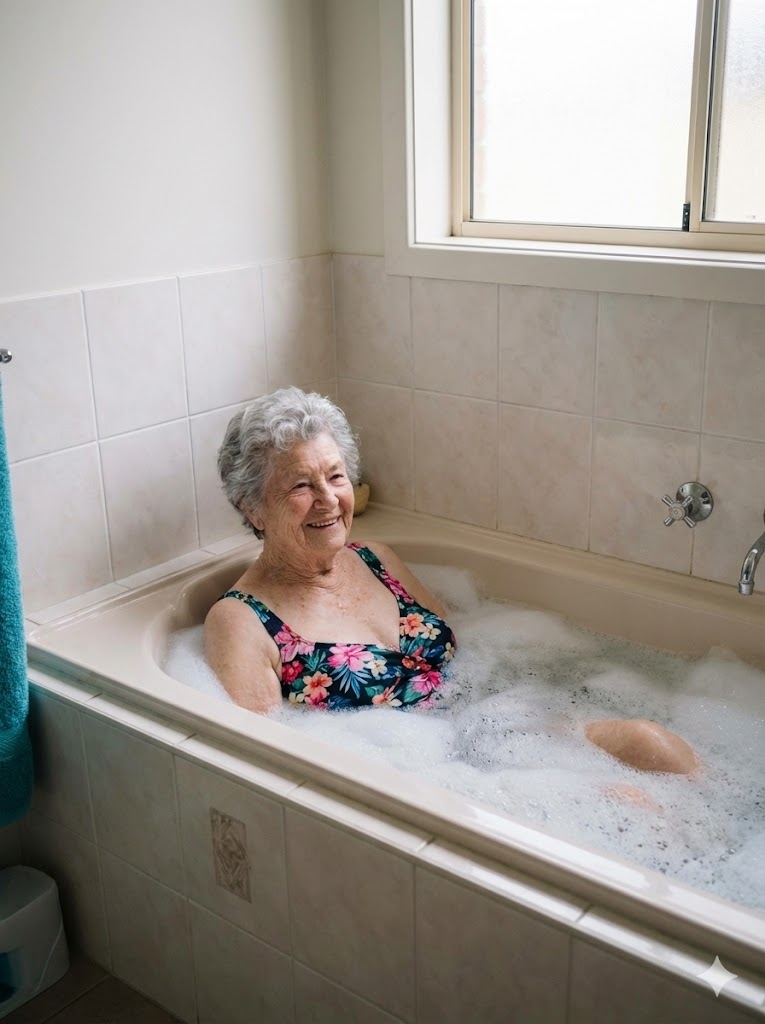

The skin is covered with helpful bacteria that act as a natural defense against harmful microbes. Frequent showering, particularly with antibacterial or strongly scented products, can disrupt this delicate balance. When good bacteria are removed too often, the skin becomes more susceptible to rashes, fungal issues, and inflammation.
Health professionals now understand that excessive cleanliness can weaken the skin’s natural protection—especially in seniors.
Higher chances of falls and exhaustion
Showering is not just a hygiene habit; it also requires physical effort. For older adults, climbing in and out of a wet shower, standing for extended periods, and exposure to hot water can cause lightheadedness, fatigue, and an increased risk of slipping.
Falls remain one of the most common causes of injury among seniors. Showering every day can unnecessarily raise this risk, particularly for those with balance problems, joint pain, low blood pressure, or reduced strength.
Being clean doesn’t mean showering daily
One key point is often overlooked: cleanliness doesn’t require a daily shower.
Many dermatologists and geriatric experts suggest that adults over 65 usually only need to shower two or three times a week—unless they sweat heavily, experience incontinence, or have a medical condition that requires more frequent bathing.
On days without a full shower, simple habits are often enough, such as:
-
Washing the face, hands, underarms, and groin
-
Changing clothes regularly
-
Using a warm, damp cloth for spot cleaning
These steps maintain hygiene while being kinder to aging skin.
Water temperature and products make a difference
When older adults do shower, the method matters as much as the frequency.
Although hot water may feel soothing, it quickly dries out mature skin. Lukewarm water is a better option. Gentle, fragrance-free cleansers or soap alternatives are also preferable, as they clean without stripping away natural oils.
Applying a moisturizer right after bathing—while the skin is still slightly damp—can help seal in moisture and reduce dryness.
Pay attention to what your body is telling you
There’s no universal rule that works for everyone. Some seniors feel fine showering more often, while others do better with fewer showers. The most important thing is noticing how your skin and body react.
If daily showers leave your skin itchy, flaky, or uncomfortable, it may be time to cut back. Hygiene should enhance well-being, not take away from it.
Final thoughts
After age 65, showering every day isn’t essential—and for many people, it may actually cause more harm than good. Reducing shower frequency and adopting gentler hygiene routines can protect aging skin, lower the risk of falls, and increase overall comfort.
Sometimes, better health comes from letting go of old habits and choosing what truly supports your body now.