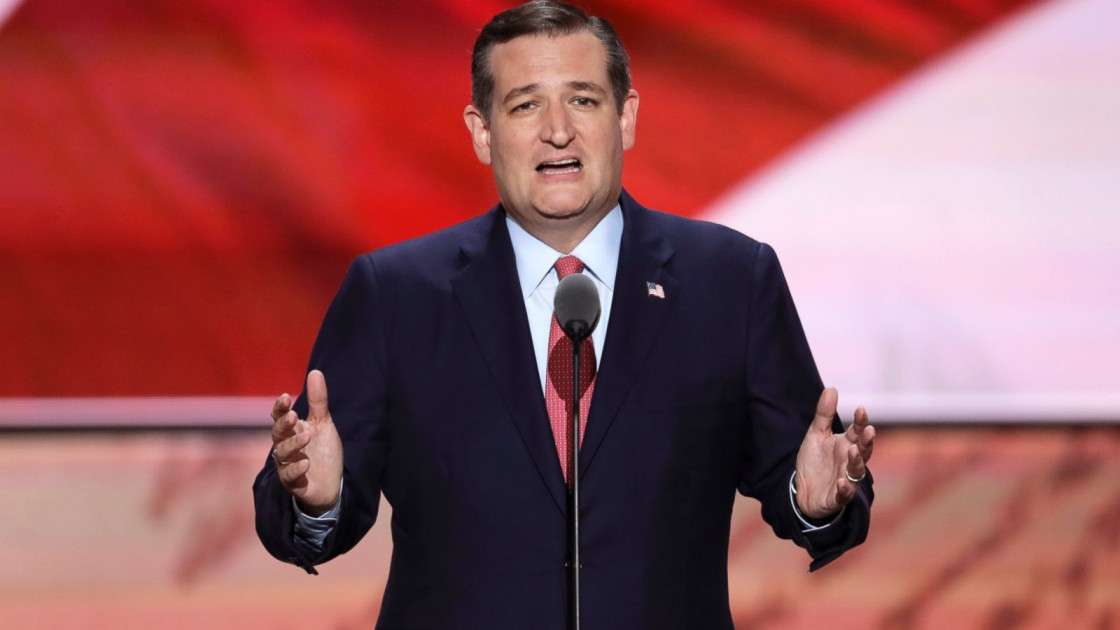
Cruz’s attacks are “definitely getting noticed” among pro-Israel donors, according to RJC CEO Matt Brooks. Many aligned with Nikki Haley in her 2024 primary challenge to Trump.
This reveals Cruz’s actual strategy: Win the donor class that funded Haley’s hawkish foreign policy message, position as alternative to Vance’s isolationism, hope that money and organization can overcome base preference for “America First” messaging.
It’s establishment Republican strategy with MAGA aesthetic. Cruz is betting he can unite Bush-era foreign policy donors with Trump-era cultural warriors by claiming Carlson represents dangerous antisemitism rather than legitimate foreign policy debate.

The problem: Republican primary voters rejected Haley’s hawkish message decisively in 2024. They chose Trump despite his unpredictable foreign policy, not because of traditional GOP interventionism. Cruz is courting donors whose preferred candidate just lost while attacking the movement’s most influential media voice.
The 2016 Runner-Up Trying Again
Cruz finished second to Trump in the 2016 primary. He’s been positioning for another run since – hitting the speaker circuit, endorsing down-ballot candidates, hosting a top-ranked podcast, building small-dollar donor infrastructure.
He’s hosting a Republican donor retreat next year. He’s appeared before the Miami-Dade Republican Party and Maverick PAC, organizations focused on young conservatives.
All standard presidential candidate groundwork. The Carlson feud distinguishes this effort – it’s explicitly positioning against the isolationist direction Vance represents, banking that 2028 will be fought over foreign policy rather than cultural issues.

Whether that’s correct depends on what dominates Republican attention cycle 2027-2028. If international crises make foreign policy central, Cruz’s interventionist positioning might resonate. If cultural and economic issues dominate, attacking MAGA’s most popular media voice looks like establishment sabotage.
The Republican Electorate That Changed
Cruz’s strategy requires Republican voters wanting Bush-era foreign policy. That electorate barely exists anymore.
Trump remade the party around skepticism of foreign intervention, criticism of “forever wars,” and prioritizing domestic concerns over international commitments. Carlson amplified that message. Vance embodies it.
Cruz is running against that transformation, arguing Republicans should return to interventionist consensus. It’s positioning as restoration candidate – making the party “normal” again after Trump disrupted it.

But Trump didn’t disrupt an otherwise happy party. He captured genuine grassroots exhaustion with post-9/11 foreign policy. Republican voters chose Trump partly because he questioned Iraq War wisdom and promised to end endless deployments.
Cruz attacking Carlson for opposing intervention looks like establishment trying to reverse what voters chose. That’s not obviously winning strategy in party that’s become more populist and less hawkish.
Carlson’s “Hilarious” Dismissal Matters
Carlson dismissed Cruz’s presidential ambitions as “hilarious” without bothering to engage substantively. That contempt is more damaging than angry response would be.
Carlson treats Cruz as unserious rather than threatening. He’s not worried about Cruz damaging his influence or splitting the movement. He views Cruz’s attacks as establishment Republican posturing that MAGA base will ignore.
If Carlson’s correct – if Republican voters see Cruz as trying to reclaim the party for pre-Trump orthodoxy – the donor money Cruz raises won’t compensate for grassroots rejection.

Carlson’s audience dwarfs Cruz’s. His influence over MAGA base exceeds any senator’s. By dismissing Cruz rather than defending against him, Carlson signals confidence that his worldview dominates while Cruz represents dying faction.
That confidence might be misplaced – Carlson’s Fuentes interview generated genuine controversy. But his dismissive response suggests he doesn’t view Cruz as credible threat to isolationist direction he’s steering the movement.
The Israel Question Dividing The Right
Underlying Cruz-Carlson fight is genuine disagreement about Israel’s role in U.S. foreign policy and American support for Israel’s military actions.
Cruz is pro-Israel hawk, supporting aggressive action against Iran and defending Israeli operations in Gaza. Carlson questions why America prioritizes Israel’s security over domestic concerns and criticizes Christian Zionism as theological justification for endless Middle East involvement.
That’s not just tactical disagreement – it’s fundamental split over what conservatism means regarding foreign policy and national interest.

Cruz called Carlson’s position antisemitic. Carlson frames it as “America First” prioritization. Both appeal to different Republican constituencies – Cruz to evangelical Christians and defense hawks, Carlson to populist nationalists and anti-interventionists.
The 2028 primary will test which constituency dominates the party. Cruz is betting his position wins. Polling suggests otherwise, but polling three years before primary is unreliable predictor.
Senator Who Calls Colleagues Frightened
Cruz’s Federalist Society comment that colleagues privately agree but are “frightened” of Carlson’s megaphone reveals both the challenge Cruz faces and his strategy for overcoming it.
He’s trying to break omertà around criticizing Carlson by being first prominent Republican to do so loudly. If other senators follow his lead, Carlson’s influence diminishes. If they don’t, Cruz looks isolated and politically tone-deaf.
So far, they haven’t followed. Which suggests either Cruz is wrong about colleagues privately agreeing, or he’s right they’re frightened but wrong about willingness to be unfrightened once he sets example.

The “frightened” framing also positions Cruz as courageous truth-teller against intimidating media figure. It’s appealing narrative for donors and establishment Republicans. Whether it appeals to MAGA base that loves Carlson is different question.
Three Years Is Forever In Politics
Cruz is positioning now for primary three years away. That’s smart long-term strategy but vulnerable to circumstances changing dramatically.
If Trump’s second term succeeds economically and internationally, Vance inherits strong position regardless of foreign policy positioning. If it struggles, the primary might be about repudiating Trump’s approach rather than extending it – giving Cruz opening he’s creating.
International events matter enormously. If major conflict erupts involving Israel or Iran, interventionist positioning looks prescient. If Trump manages peace or at least stable deterrence, isolationist approach gets vindicated.

Cruz is betting on circumstances favoring his positioning. But he’s also creating vulnerability – if MAGA base turns on him for attacking Carlson, recovering that support later becomes impossible regardless of changing circumstances.
The donor money he’s raising now might fund strong organization, but organization can’t overcome being seen as traitor to movement you’re trying to lead.
Tucker Carlson called Ted Cruz’s presidential ambitions “hilarious.” Cruz called Carlson “complicit in evil.” Trump defended Carlson’s right to interview white nationalists. Vance stands as presumptive 2028 frontrunner aligned with Carlson’s foreign policy views.
Cruz is positioning for 2028 by challenging the ideological direction Trump’s movement has taken. Whether that’s strategic brilliance or political suicide depends on what Republican voters decide they want: restoration of pre-Trump foreign policy consensus, or continuation of “America First” isolationism.
Early polling favors Vance. Donor enthusiasm favors Cruz among the Haley faction. Base sentiment remains unclear but skeptical of interventionism.
Cruz has three years to prove Carlson wrong about his chances being “hilarious.” But he’s starting from position of challenging what Trump’s party has become rather than leading where it wants to go.
That’s not obviously winning strategy. It might be the only strategy available to someone who finished second in 2016 and doesn’t want to wait for the movement to come back to positions he never left.