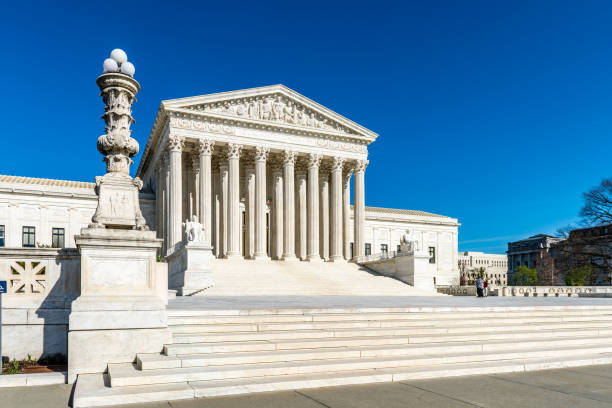
The Supreme Court issued one of its shortest decisions Monday morning. No explanation. No noted dissents. Just a single sentence declining to hear an appeal that asked them to overturn the constitutional right to same-sex marriage.
Kim Davis – the Kentucky county clerk who went to jail in 2015 rather than issue marriage licenses to gay couples – had asked the Court to reconsider Obergefell v. Hodges. Her lawyers called it time for “a course correction” and argued she was “the first individual thrown in jail post-Obergefell for seeking accommodation for her religious beliefs.”
Three justices who dissented from that 2015 decision remain on the Court: Clarence Thomas, Samuel Alito, and Chief Justice John Roberts. It would have taken four votes to hear the case. None of them voted to take it.
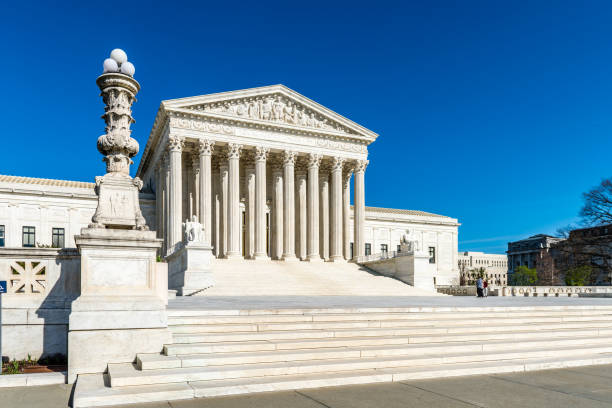
That silence tells a more important story than any opinion they could have written.
When A Long Shot Becomes No Shot At All
Davis’s appeal was always considered unlikely to succeed. But after the Court overturned Roe v. Wade in 2022, speculation mounted about whether the conservative supermajority might be willing to revisit other landmark precedents.
Justice Thomas fueled that speculation himself. In his concurring opinion in Dobbs – the case that eliminated federal abortion protections – he explicitly urged the Court to “reconsider” gay marriage and other constitutional protections established through similar reasoning.
Davis’s lawyers hewed closely to Thomas’s language in their petition. They made the constitutional arguments he’d already signaled receptiveness to. They framed the case as a First Amendment religious liberty issue, not just a challenge to marriage equality.