This vision of unchecked executive power shaped Bush administration policies across domestic and foreign affairs. Signing statements reinterpreting laws rather than vetoing them. Assertions of commander-in-chief authority overriding statutory restrictions. Claims that presidential decisions on national security were unreviewable by courts.
Cheney believed restoring executive prerogative was essential to effective governance. Critics saw it as establishing imperial presidency threatening constitutional checks and balances. The debate shaped legal and political conflicts throughout the Bush years and continues influencing executive power disputes today.
The Daughter Who Challenged the Party
Liz Cheney followed her father into politics, serving as Wyoming’s representative and rising to House Republican Conference Chair – the third-ranking leadership position. When Trump refused to accept his 2020 election defeat and encouraged the January 6 Capitol attack, Liz Cheney became one of ten House Republicans voting to impeach him.
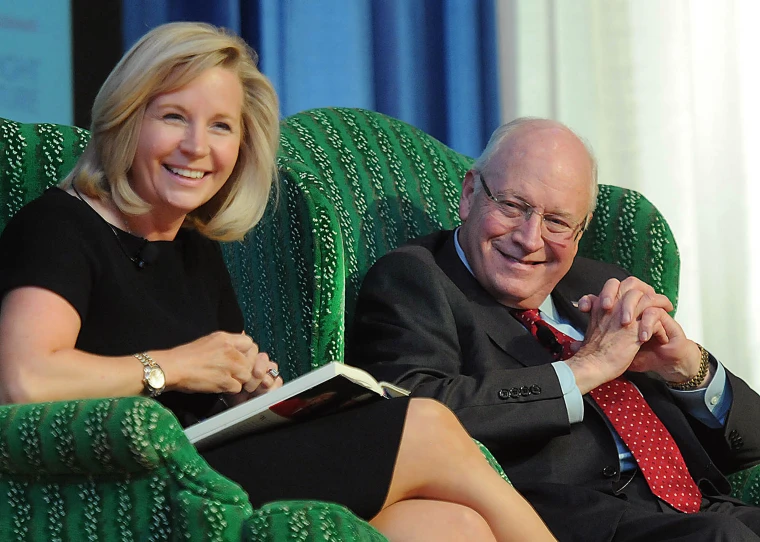
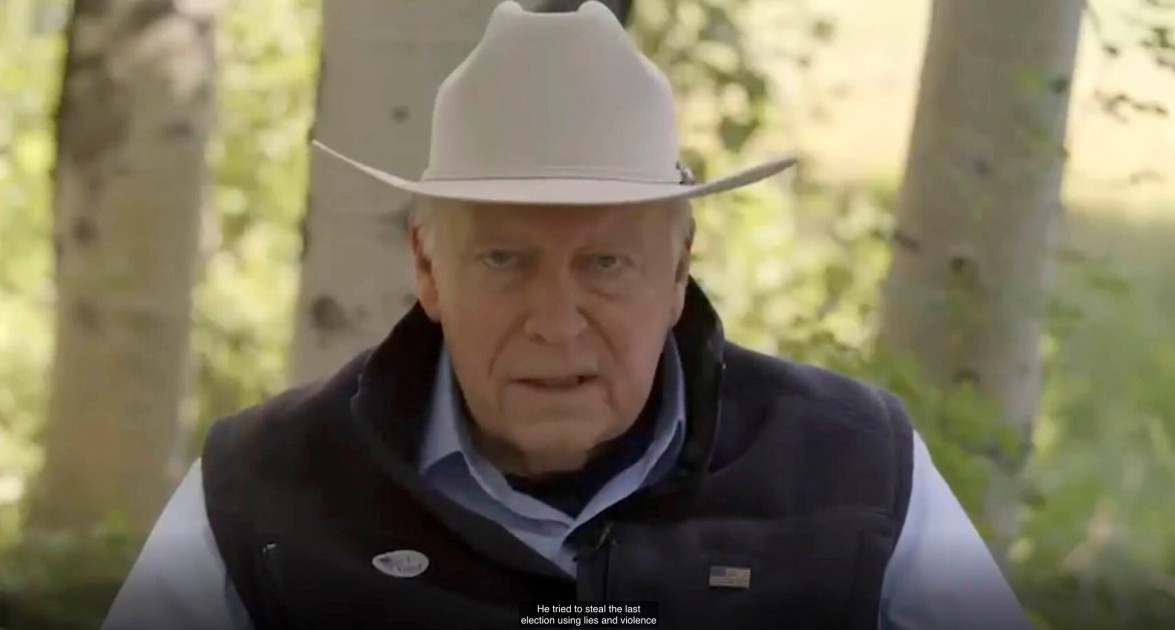
That vote ended her political career. Trump endorsed a primary challenger. Wyoming Republicans abandoned her. She lost her 2022 primary by 37 points. Dick Cheney appeared in a campaign ad supporting her – his rare public appearance during that period delivering an extraordinary message directly to camera from under a wide-brimmed cowboy hat.
“In our nation’s 246-year history, there has never been an individual who is a greater threat to our republic than Donald Trump,” Cheney declared.
“He is a coward. A real man wouldn’t lie to his supporters. He lost his election, and he lost big. I know it. He knows it, and deep down, I think most Republicans know.”
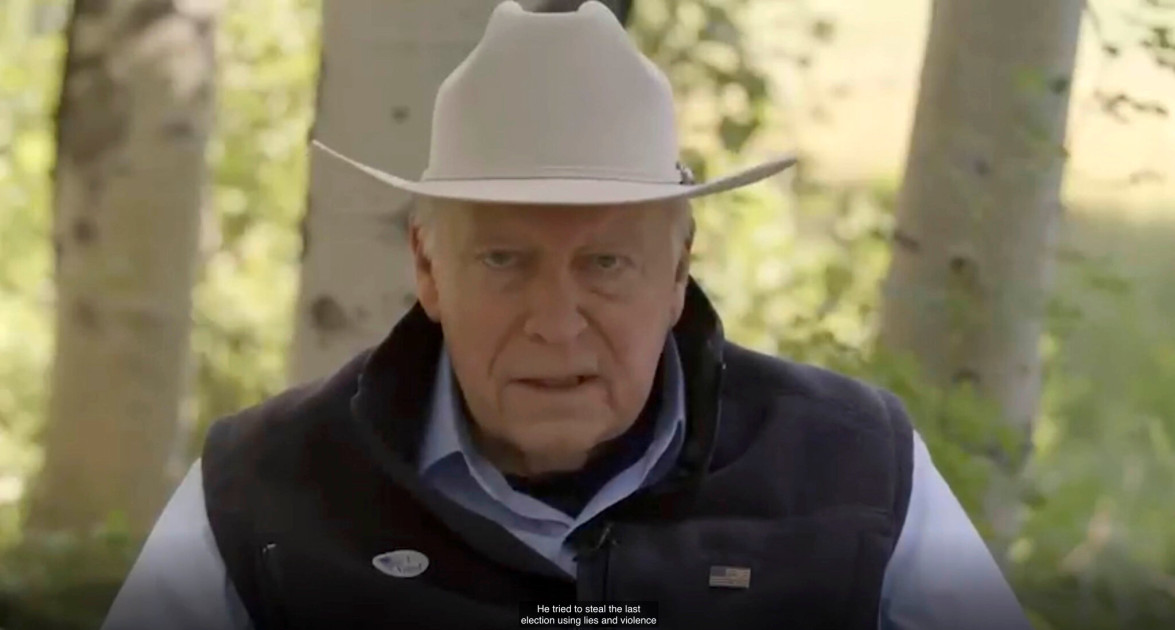
The statement was remarkable from any Republican, shocking from Dick Cheney. The man who championed aggressive executive authority, who pushed constitutional boundaries further than any vice president before him, was now warning that Trump posed an existential threat to the republic.
The Irony That Defined His Final Years
Cheney spent his career expanding presidential power. He argued that Congress couldn’t effectively oversee national security decisions. He asserted that courts couldn’t review executive determinations. He championed secrecy and rejected accountability mechanisms as impediments to necessary action.
Trump inherited that expanded executive power and used it in ways Cheney found threatening. The difference wasn’t the scope of authority – Trump’s assertions of presidential power don’t obviously exceed Cheney’s. The difference was that Trump directed that power toward objectives Cheney viewed as antidemocratic and dangerous.
Cheney expanded executive authority believing it would be wielded by responsible leaders pursuing America’s interests as he understood them. Trump wielded that authority pursuing his own interests without regard for constitutional norms Cheney still respected despite flouting them when convenient.
