Climate Lawyer Says the Quiet Part Out Loud: ‘It’s Really Just a Carbon Tax’
How A Tort Becomes A Tax Without Congressional Vote
Bookbinder explained the mechanism clearly: “You sue an oil company, an oil company is liable, the oil company then passes that liability on to the people who are buying its products.”
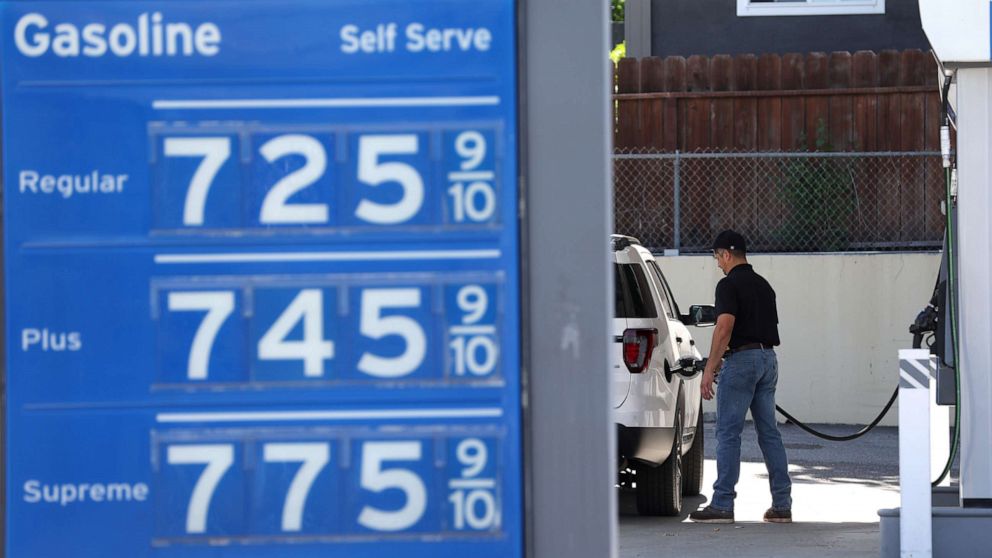
Translation: Sue the companies for enough money that they have to raise prices. Consumers pay more at the pump. Higher prices reduce consumption. It’s taxation through litigation – achieving policy goals Congress won’t approve by getting judges to impose massive financial penalties instead.
“I’d prefer an actual carbon tax, but if we can’t get one of those, and I don’t think anyone on this panel would agree that Congress is likely to take on climate change anytime soon,” Bookbinder continued.
“So this is a rather convoluted way to achieve the goals of a carbon tax.”
That admission is remarkable. Climate activists have spent years arguing these lawsuits are about accountability – holding corporations responsible for deceiving the public about climate risks. Bookbinder revealed they’re actually about policy implementation through courts because the political process won’t cooperate.
This is lawfare in its purest form: using litigation to accomplish what you can’t achieve legislatively.
What Boulder’s Mayor Said vs. What The Lawyer Said
When Colorado’s Supreme Court ruled in May that the case could proceed in state courts, Boulder Mayor Aaron Brockett celebrated: “This ruling affirms what we’ve known all along: corporations cannot mislead the public and avoid accountability for the damages they have caused.”
That’s the public narrative. Companies lied, communities suffered, justice demands compensation. It sounds like traditional tort law – you cause harm, you pay damages.
Bookbinder’s forum comments reveal something different. This isn’t about compensating Boulder for specific damages. It’s about restructuring the energy market by making fossil fuels economically unviable through accumulated legal judgments.

The goal isn’t to make Boulder whole – it’s to “take over the energy industry,” as Bookbinder put it. He suggested that if oil companies go bankrupt from these lawsuits, their assets would be managed differently: “Oil and gas will not suddenly stop coming on the market. They’ll be marketed in different ways.”
That’s not a lawsuit. That’s a hostile takeover disguised as environmental justice.
The Backpedaling That Confirms The Admission
After conservative groups seized on his forum comments, Bookbinder tried to walk them back. His remarks “were meant to describe the way the oil and gas industry operates, not to endorse the way it operates,” he told Fox News.
That’s damage control, not clarification. At the forum, he explicitly said tort liability functions as “the most efficient way” to make “people who buy those products pay for the cost imposed by those products.” He called it “a rather convoluted way to achieve the goals of a carbon tax.”
Those aren’t descriptions of industry behavior. They’re explanations of litigation strategy.
Bookbinder’s follow-up statement blamed “fake outrage from oil and gas lobbyists” using “tobacco lobby tactics.” But the problem isn’t outrage – it’s that he said clearly what the litigation is designed to accomplish, and it contradicts everything the public has been told about these cases.
“I was not saying that tort liability should actually be an indirect carbon tax,” he later claimed. But he did say it functions as one – and called it the most efficient way to achieve carbon tax goals when Congress won’t act.
Why Federal vs. State Courts Actually Matters
ExxonMobil and Suncor argue this case belongs in federal court because it concerns cross-border emissions – a matter of national policy, not state tort law. Colorado courts disagreed, keeping the case in state court.
That jurisdictional fight matters more than it appears. If this is really about compensating Boulder for local damages from corporate deception, state court makes sense. But if it’s actually about imposing nationwide energy policy through accumulated state court judgments, federal jurisdiction becomes constitutionally essential.
Bookbinder’s admission strengthens the companies’ argument. If the goal is effectively creating a national carbon tax through litigation, that’s inherently a federal question.
States can’t individually restructure national energy markets through their tort systems – that’s exactly the kind of policy that requires federal oversight or Congressional action.
The Supreme Court will decide whether to hear the case. Bookbinder just gave them a reason to grant cert – because state courts are being used to accomplish what looks suspiciously like federal energy policy without Congressional authorization.
The Climate Judiciary Project’s Uncomfortable Context
While climate lawsuits proliferate, the Climate Judiciary Project has been providing judges “education on climate science” and how it “arises in the law.” Conservative lawmakers, particularly Texas Senator Ted Cruz, accuse CJP of “pressuring judges to set aside the rule of law, and rule instead according to a predetermined political narrative.”
Fox News obtained chat logs between CJP and judges showing them trading links on climate studies, congratulating each other on environmental events, and encouraging participation in CJP meetups. CJP insists this is just educational, like continuing education on medicine or technology.
But educational programs don’t usually involve congratulating judges on how they’re handling cases. And when those “educated” judges hear cases where plaintiffs admit the goal is imposing carbon taxation through tort liability, the appearance of coordination becomes harder to dismiss.

CJP says it doesn’t seek to “influence the outcome of any case.” But if it’s providing climate education to judges who then hear cases admittedly designed to function as carbon taxes, the line between education and advocacy blurs considerably.
What “Taking Over The Energy Industry” Actually Means
Bookbinder suggested climate litigation aims to ensure that if oil companies fail, “assets will continue to produce” but be “marketed in different ways.” He compared it to bankruptcy proceedings where assets get managed for creditors’ benefit.
This is the endgame. Not shutting down oil production – that would cause economic catastrophe. Instead, forcing companies into bankruptcy or receivership through accumulated judgments, then having courts or creditors control how those assets operate.
It’s nationalization through litigation. The government doesn’t seize the means of production – courts just make operation under current ownership economically impossible, forcing transfer to new ownership that operates under judicially-imposed constraints.
Whether you think that’s good policy depends on whether you trust courts to manage energy production better than markets. But it’s definitely not traditional tort law seeking to compensate injured parties.
The Republican Brief That Just Got Validated
Dozens of Republican House members filed an amicus brief warning the Boulder case could “throttle the American energy industry, if not bankrupt it altogether.” Democrats dismissed this as fossil fuel industry fear-mongering.
Bookbinder just confirmed they were right. If the goal is making oil companies pass massive liabilities onto consumers until fossil fuels become unaffordable, and if dozens of states and municipalities file similar suits seeking similar damages, the accumulated effect could indeed bankrupt the industry.
That’s not conspiracy theory – it’s explicitly what Bookbinder described as the litigation strategy. When the lawyer who used to represent plaintiffs explains the mechanism by which these lawsuits are designed to restructure the energy market, warnings about bankrupting the industry stop being speculation.
Why Congress Hasn’t Acted – And Why That Matters
Bookbinder lamented that “Congress is not likely to take on climate change anytime soon,” justifying the “convoluted” approach of using courts instead. But Congress’s inaction isn’t a failure of democracy – it’s democracy working.
A carbon tax is massively unpopular. Voters understand it would raise energy costs for everything from gasoline to groceries to heating. When politicians propose carbon taxes explicitly, they lose elections. That’s why Congress hasn’t passed one.

Using courts to impose what amounts to a carbon tax through accumulated tort judgments bypasses that democratic accountability. Voters can’t reject judges’ decisions the way they reject carbon tax proposals at the ballot box. That’s precisely why activists prefer the judicial route.