ADVERTISEMENT
It feeds millions. It fuels economies. It’s a staple in diets across Africa, South America, and the Caribbean. And yet, this everyday root vegetable can be deadly.
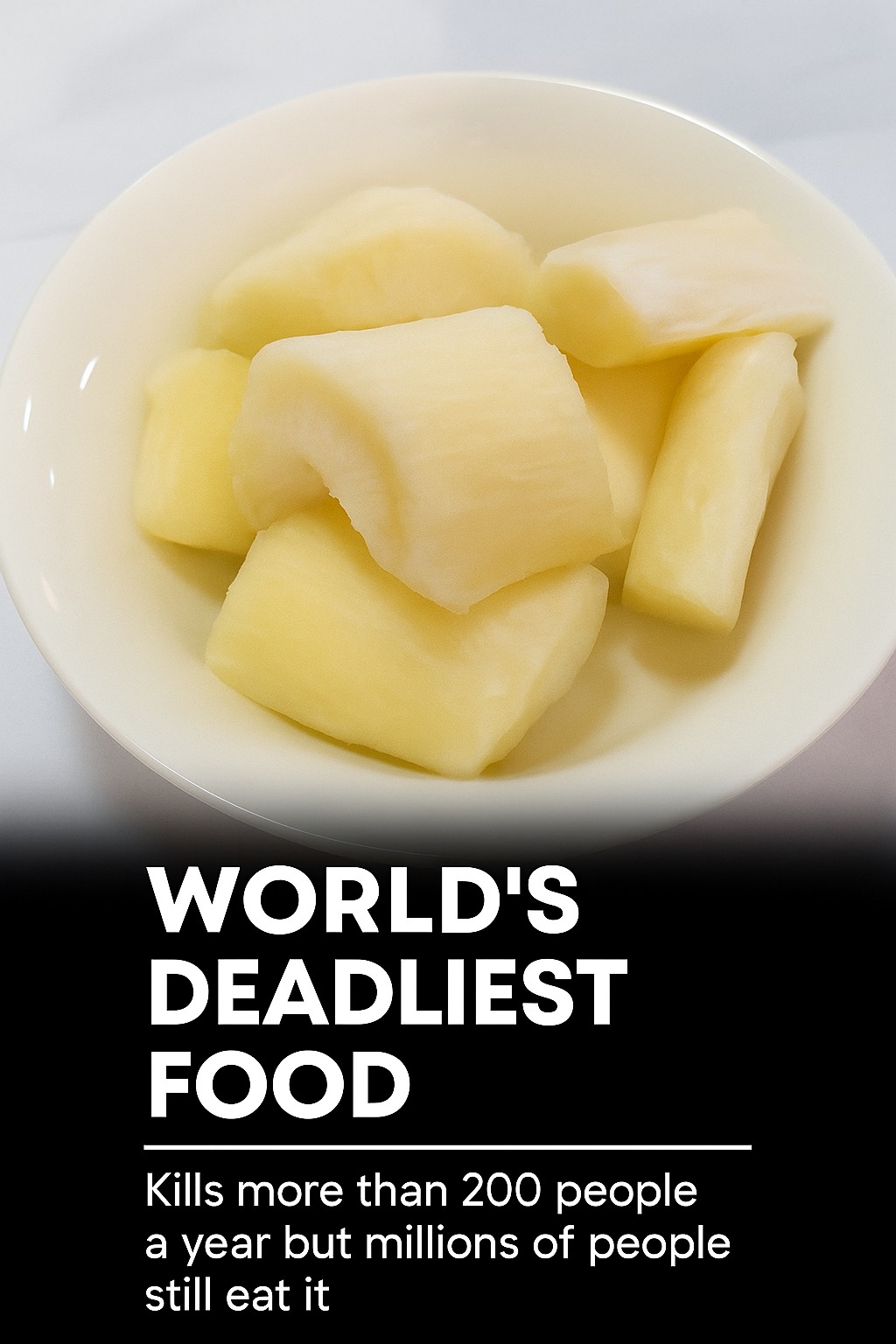
Meet cassava — a humble, starchy tuber that sustains nearly 500 million people worldwide, but also earns the grim title of “the world’s deadliest food” when improperly prepared.
How can a food be both so essential and so dangerous?
What Is Cassava?
Cassava (also known as yuca, not to be confused with yucca the ornamental plant) is a hardy, drought-resistant root vegetable native to South America. Its starchy flesh is a rich source of carbohydrates, making it a vital calorie source in tropical regions.
It comes in two main types:
Sweet cassava – Lower in toxins, safer to eat with basic cooking.
Bitter cassava – Contains high levels of cyanogenic glycosides, which release cyanide when consumed.
Fun fact: Tapioca pearls, garri, fufu, and cassava flour are all made from cassava.
Why Is Cassava Dangerous?
The danger lies in how it’s processed.
Bitter cassava naturally contains linamarin, a compound that converts into hydrogen cyanide when the plant cells are damaged (e.g., during peeling, grating, or chewing).
If not properly detoxified, eating bitter cassava can lead to:
Acute cyanide poisoning – Symptoms include nausea, dizziness, rapid breathing, convulsions, and death within hours.
Konzo – A paralyzing neurological disease affecting the legs, primarily seen in malnourished populations in Central Africa.
Tropical ataxic neuropathy – A chronic condition causing blindness, deafness, and loss of coordination.
In fact, cassava is responsible for more cases of food-related cyanide poisoning worldwide than any other food crop, according to the World Health Organization.
How Does Poisoning Happen?
Next Page
ADVERTISEMENT
