ADVERTISEMENT
A Simple Guide Based on WHO & Medical Guidelines
Blood pressure is one of the most important indicators of heart health — yet many people don’t know what their numbers really mean.
So, is 120/80 mmHg still the “gold standard”?
Does blood pressure change with age?
And when should you be concerned?
Because real wellness starts with understanding your body — not guessing.
🔍 What Is Blood Pressure?
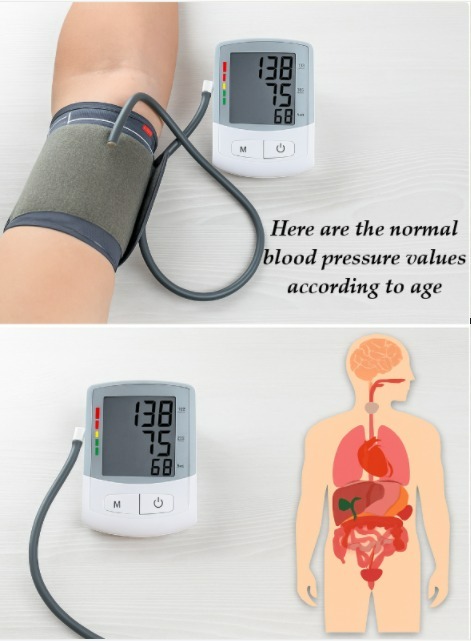
Blood pressure measures the force of blood pushing against the walls of your arteries as your heart pumps.
It’s recorded as two numbers:
-
Systolic (top number): Pressure in your arteries when your heart beats
-
Diastolic (bottom number): Pressure when your heart rests between beats
📏 Measured in millimeters of mercury (mmHg) — written as systolic/diastolic, for example: 120/80 mmHg
✅ Updated Blood Pressure Categories (AHA & WHO)
| Category | Systolic (mmHg) | Diastolic (mmHg) | Description |
|---|---|---|---|
| ✅ Normal | Less than 120 | and less than 80 | Ideal range |
| ⚠️ Elevated | 120–129 | and less than 80 | Early warning zone |
| 🟡 High Blood Pressure (Stage 1) | 130–139 | or 80–89 | Mild hypertension |
| 🔴 High Blood Pressure (Stage 2) | 140 or higher | or 90 or higher | Requires medical management |
| 🚨 Hypertensive Crisis | Higher than 180 | and/or higher than 120 | Seek immediate medical attention |
If you experience symptoms like chest pain, severe headache, or shortness of breath with very high readings, call emergency services immediately.
🌍 What the World Health Organization (WHO) Says
The WHO recognizes 120/80 mmHg as the ideal blood pressure for adults.
-
The risk of heart attack, stroke, kidney disease, and vision loss increases
-
Even slightly elevated pressures over time can damage blood vessels
“Maintaining healthy blood pressure is key to preventing cardiovascular disease — the world’s leading cause of death.” — World Health Organization
This is especially important after age 45, when arteries naturally stiffen and lifestyle factors can elevate blood pressure.
📊 Does Normal Blood Pressure Change With Age?
While 120/80 mmHg is the ideal target at any age, average readings tend to rise slightly over time due to natural cardiovascular changes.
| Age Group | Average Systolic | Average Diastolic |
|---|---|---|
| 20–30 years | ~115 mmHg | ~70 mmHg |
| 40–50 years | ~125 mmHg | ~80 mmHg |
| 60+ years | ~135 mmHg | ~85 mmHg |
⚠️ Remember: Average ≠ Healthy.
Older adults should still aim for below 130/80 mmHg, unless advised otherwise by their doctor. Recent studies show tighter control can reduce stroke and heart attack risk.
🧪 How to Measure Your Blood Pressure Accurately
see continuation on next page
ADVERTISEMENT
