ADVERTISEMENT
#### Instructions for Making Ricotta:
2. **Add the Acid:**
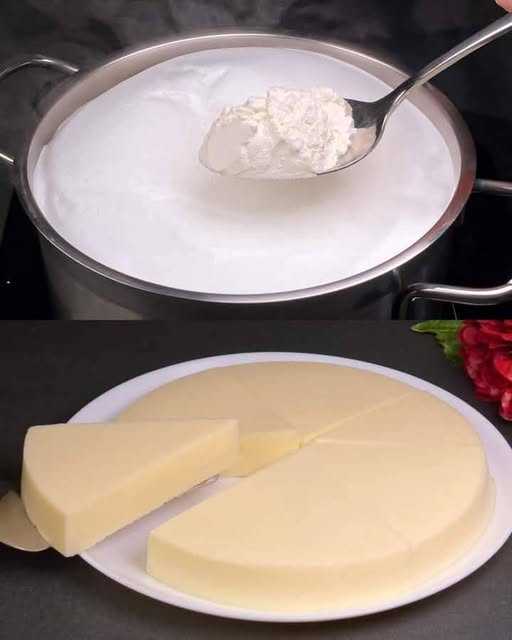
– Once the milk reaches 190°F, remove it from the heat. Slowly add the vinegar or lemon juice while gently stirring. The milk will begin to curdle, and you’ll see the curds (solid white clumps) separating from the whey (the watery liquid).
3. **Let it Sit:**
– Allow the milk to sit undisturbed for 10-15 minutes to fully separate the curds from the whey. During this time, the curds will firm up and become more defined.
4. **Strain the Curds:**
– Line a colander with cheesecloth and place it over a bowl to catch the whey. Gently ladle the curds into the colander and let the whey drain off. You can save the whey to use in soups or smoothies, as it’s full of nutrients.
5. **Season and Enjoy:**
– Once the curds are fully drained, transfer the ricotta to a bowl. Stir in the salt to enhance the flavor. At this point, you can enjoy the ricotta as is, or use it in a variety of dishes.
6. **Serve:**
– Homemade ricotta is best enjoyed fresh, but you can store it in an airtight container in the refrigerator for up to 5 days.
### Other Cheese Varieties You Can Try
Once you’ve mastered the basic ricotta recipe, you can move on to other types of cheese, like mozzarella, feta, or even cheddar. Each cheese has a unique method of preparation, but they all follow a similar pattern: heating milk, curdling it, draining the whey, and then shaping or aging the curds.
1. **Mozzarella**: A fresh, stretchy cheese made from cow or buffalo milk. It involves a bit more technique, such as kneading the curds and dunking them in hot water to achieve the classic stretch.
3. **Cheddar**: Making cheddar cheese involves a process called “cheddaring,” where the curds are stacked and pressed to remove whey. It’s also aged for several months to develop its deep flavor.
### Tips for Successful Cheese-Making
– **Use Fresh Milk**: Fresh, whole milk works best. Avoid ultra-pasteurized milk, as it doesn’t curdle properly.
– **Temperature Control**: Keeping the milk at the right temperature is crucial for proper curd formation. Invest in a good kitchen thermometer to ensure accuracy.
– **Be Patient**: Cheese-making requires time and care. Don’t rush the process. Allow the milk to cool, the curds to form, and the cheese to drain properly.
– **Practice Makes Perfect**: Making cheese is as much an art as it is a science. The more you experiment, the better you’ll get at understanding the process and adjusting it to suit your preferences.
### Why Homemade Cheese Is Special
When you make cheese at home, you can adjust the texture, flavors, and consistency to your liking. You’ll also have the satisfaction of knowing exactly what goes into your cheese, which is something that store-bought varieties simply can’t offer.
### Conclusion
Making homemade cheese is a fun, satisfying, and delicious project that anyone can try. With simple ingredients and a little patience, you can enjoy the freshness and flavor of cheeses like ricotta, mozzarella, or feta in your own kitchen. Whether you’re a cheese lover or just looking for a new cooking challenge, homemade cheese is the perfect way to expand your culinary skills and create something truly special.
So, grab your ingredients, set aside some time, and get ready to experience the joy of homemade cheese!
ADVERTISEMENT
